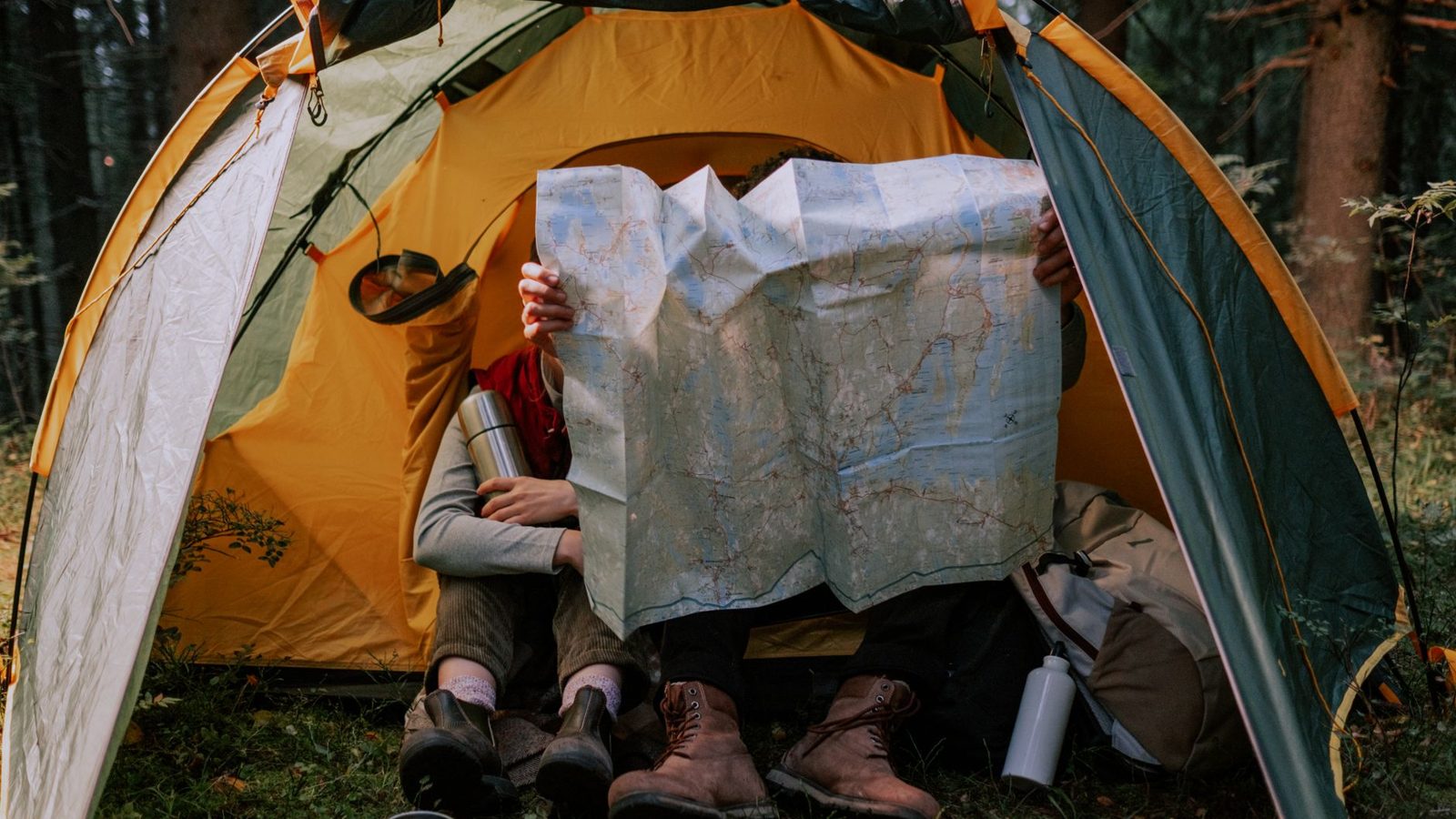
There is nothing quite like the sound of a mosquito buzzing right next to your ear at 2:00 AM, especially when you’re trying to keep two energetic girls asleep in a tent that costs less than a used car. I learned the hard way that cheap gear isn’t always a bargain when it means waking up with a face full of welts or spending the whole morning untangling netting from a sleeping bag.
If you are looking for a budget mosquito net camping solution that won’t fall apart after one weekend, you are in the right place. This guide is for families who need to stretch every dollar but refuse to sacrifice sleep quality or safety.
Why I Test Nets Like They’re Life Support
When Junie and Margo were little, I thought a mosquito net was just a piece of fabric. I was wrong. It is a barrier between a peaceful night and a nightmare of scratching, crying, and DEET stains on the tent floor. As a single mom, my budget is tight, but my tolerance for “good enough” is low. If a net tears when the girls climb over it, or if the poles snap in the wind, I’m not just losing money; I’m losing time.
We don’t have the luxury of buying the most expensive gear on the market. We need gear that punches above its weight class. I’ve tested these nets in state parks from Tennessee to the Ozarks, in humid rain and dry heat. I’ve packed them into backpacks that were already too heavy. I’ve set them up in the dark while the girls waited impatiently.
Here is the honest truth: you can find a decent net for under $50, but you have to know what you are buying. Some are built to last; others are built to be thrown away.
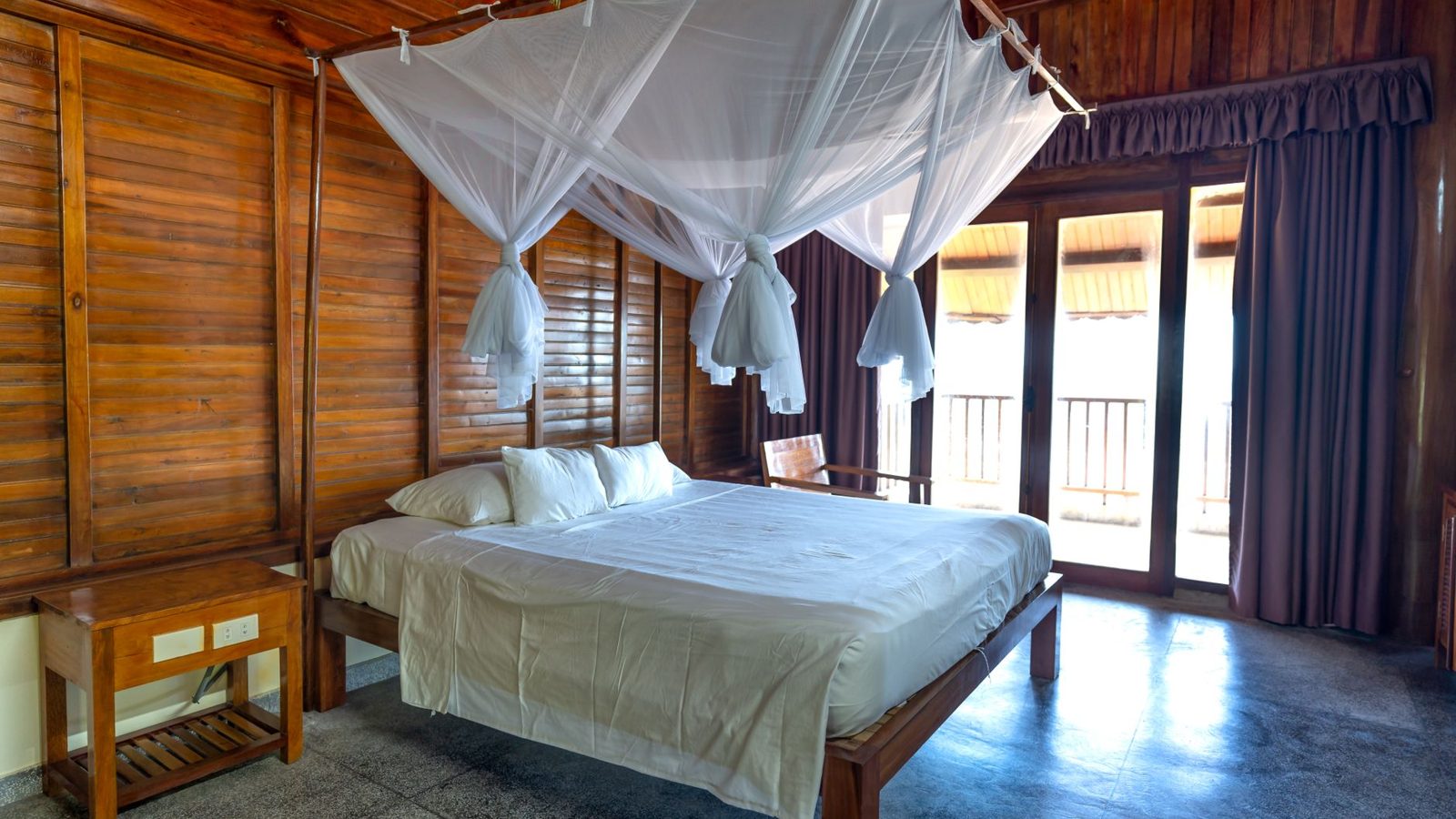 Photo: Quang Nguyen Vinh
The Top Contenders: A Real-World Breakdown
I reviewed five specific types of nets that fit the under-$50 criteria. I looked at mesh quality, setup time, durability with kids, and how they fit into a standard camping setup.
1. The Standalone Dome Net (Top Pick)
This is the category I recommend most often for families. These nets have their own poles and stand up like a small tent. You can put them inside your main tent or use them as a standalone shelter if you are car camping.
The one I recommend is the Naturehike Camping Mosquito Net. It costs around $45, which is right at the top of our budget, but it is worth every penny. The mesh is fine enough to keep out even the smallest gnats, which are the worst kind. The poles are fiberglass, which is flexible enough to survive being kicked by a child, unlike aluminum that can snap.
Coverage Area: It fits two adults or one adult and two small kids comfortably. Mesh Quality: High-density, no tears after a year of use. Ease of Setup: Very easy. It pops up quickly, which is crucial when the sun is going down and the bugs are coming out. Weight: About 2.5 lbs. It’s light enough for a car trunk but a bit heavy for a long hike. Compatibility: Works inside a tent or on the ground outside.
- Durable fiberglass poles
- Fine mesh keeps out gnats
- Easy pop-up setup
- Heavier than hanging nets
- Takes up space in the car
2. The Hanging Dome Net (Best Value)
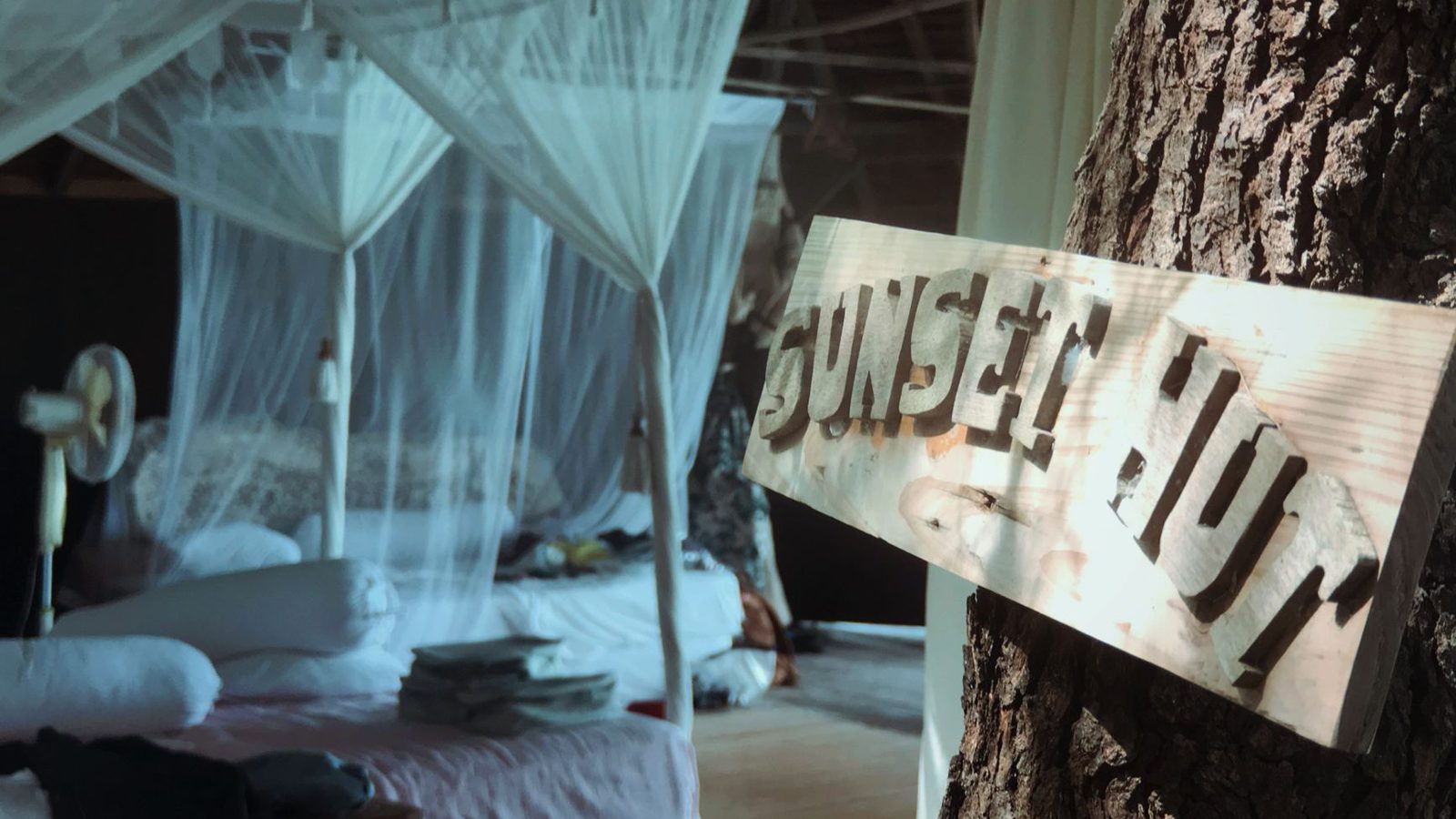
If you are backpacking or have very limited space in your tent, a hanging dome net is the way to go. You hang this from a tree branch or a tent ceiling hook. It creates a bubble around your sleeping bag.
The Generic Hanging Dome Net is a solid choice at around $25. It’s not as fancy as the standalone version, but it does the job. I use this when we are staying in a tent that already has a mesh roof, just to add an extra layer of security. It’s great for the girls because they can crawl inside and feel like they are in a fort.
Coverage Area: Fits one person comfortably, two small kids if they cuddle. Mesh Quality: Good, but the zipper can snag if you aren’t careful. Ease of Setup: Requires a hook or branch. Setup is fast once you have the anchor point. Weight: Very light, under 1 lb. Compatibility: Best inside a tent or under a tree.
Pros:
- Inexpensive and lightweight.
- Adds a layer of security to any tent.
- Easy to pack in a small stuff sack.
Cons:
- Needs a secure anchor point.
- Can feel claustrophobic for some adults.
3. The No-Pole Bag Net (Skip It)
You see these everywhere. They are just a bag of mesh with a drawstring. You throw it over your head or sleeping bag. They cost about $10. They look great on paper, but in the real world, they are a hassle.
I bought one of these three years ago. It was fine for the first night. By the second night, the mesh was so thin that a branch poked through it. The girls hated it because it stuck to their faces when they moved. It’s a false economy. You save $30 now, but you spend $30 on bug spray later because the net didn’t work.
Coverage Area: Variable, depends on how you drape it. Mesh Quality: Thin, prone to tearing. Ease of Setup: Fast, but hard to keep in place. Weight: Negligible. Compatibility: Only works if you sleep in a hammock or have a very still sleeping position.
Verdict: Skip it. Spend the extra $15 on a pole system.
4. The Hammock Bug Net (Alternative)
If you are ditching the tent for a hammock, you need a specific net. These attach to the hammock suspension. I tested a budget version of this while we were trying to save space in the car.
It works well for the adults, but the girls found it hard to get in and out of without tangling the straps. If you are a single parent camping with kids, a hammock can be tricky. But if you are solo or with a partner, this is a great option.
Coverage Area: Fits the hammock perfectly. Mesh Quality: Usually durable. Ease of Setup: Requires learning the suspension system. Weight: Light. Compatibility: Hammocks only.
5. The Pop-Up Mosquito Shelter (Alternative)
This is a larger version of the standalone net. It’s more like a small room. It costs around $50, sometimes a bit more on sale. It’s great for changing clothes or sitting in during a rainstorm without bugs.
I bought one for a weekend trip where it rained every day. It was a lifesaver. The girls could play inside it without getting wet or bitten. It’s bulky, but if you are car camping, it’s worth the space.
Coverage Area: Fits 2-3 people sitting. Mesh Quality: Very durable. Ease of Setup: Pop-up, so it’s instant. Weight: Heavy, 4+ lbs. Compatibility: Ground use only.
- Instant setup
- Large interior space
- Durable mesh
- Bulky to pack
- Heavy for backpacking
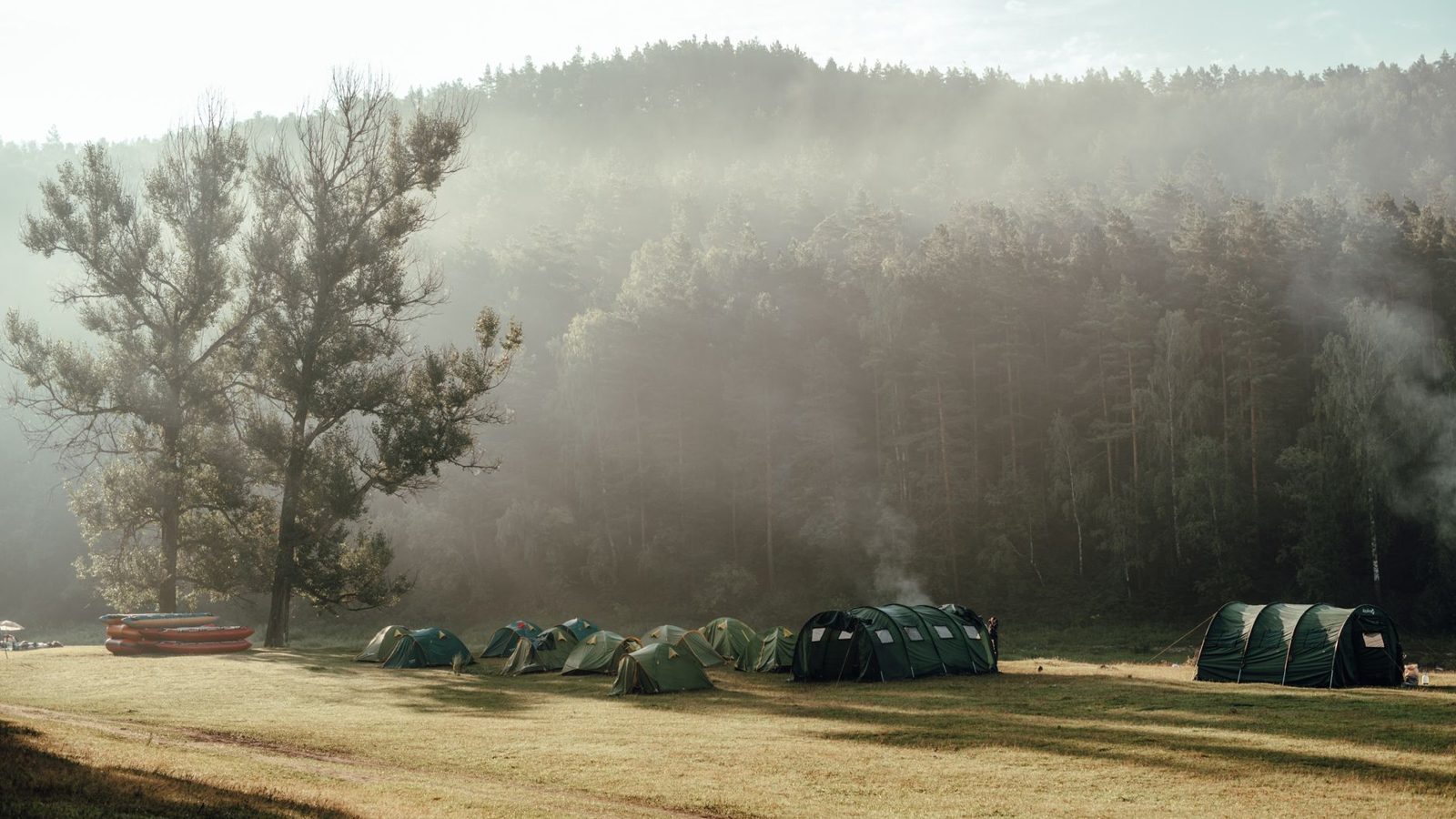 Photo: Евгения Егорова
What I’d Actually Buy
If I had to choose just one net for my family right now, I would grab the Naturehike Camping Mosquito Net. Here is why:
- Durability: The poles are strong. Junie has kicked it, Margo has leaned on it, and it hasn’t broken.
- Space: It gives the girls room to move. They don’t feel trapped.
- Versatility: I can use it inside our tent for extra protection, or outside as a changing room.
The Hanging Dome Net is my backup. I keep one in the glove box of the car. If we forget the big net, or if one of the girls wants to sleep in the car, I have a backup.
The No-Pole Bag Net? I use it as a laundry bag now. It’s too flimsy for bugs, but it holds dirty socks well.
Budget Camping: Stretching the Dollar
When you are camping on a budget, every item counts. A $50 net might seem like a lot when your tent was $40. But think about the cost of a hotel room. If you spend $100 on a hotel, you could buy two of these nets and still have money left over for groceries.
Here are a few tips to make your budget mosquito net camping gear last longer:
- Check the Zippers: Before you leave the house, run the zipper up and down a few times. If it sticks, add a little wax or soap. A stuck zipper means you have to force it, and forcing it means tearing the mesh.
- Watch the Poles: Fiberglass poles can snap if you bend them too far. Teach the girls to be gentle. It’s a good life lesson too.
- Clean it: After the trip, shake it out. If it’s dirty, wipe it with a damp cloth. Don’t throw it in the washing machine unless the label says so. The mesh is delicate.
- Store it Right: Don’t leave it in the hot car for months. The UV rays can weaken the mesh. Keep it in a cool, dry place.
The “Mom Math” of Bug Protection
Let’s talk about the cost of not having a net. A bottle of bug spray is $10. If you have to reapply it every two hours, that adds up. Plus, the girls get it on their hands, and then they rub their eyes. It’s a mess.
A net is a one-time cost. You buy it once, and it lasts for years. If you camp once a month, that’s 12 trips a year. If the net lasts three years, that’s 36 trips for $50. That’s $1.38 per trip. Compare that to buying spray every time, or worse, paying for a motel because the bugs were too bad.
I remember one trip where we didn’t have a net. We spent the whole night swatting. The girls were miserable. The next morning, I went to the store and bought the Naturehike net. It was the best $45 I ever spent. We slept through the night. We had energy for the hike. The budget was tight, but the value was huge.
FAQ: Your Questions Answered
1. Do I need a net if my tent has mesh walls? Most tents have mesh walls, but they aren’t always sealed. A net adds a second layer. If the girls are sleeping on the floor, they are closer to the ground where bugs crawl. A net keeps them up and away.
2. Can I use a mosquito net in a hammock? Yes, but make sure it’s designed for it. A standalone dome net might not fit well. A hanging net is better for hammocks.
3. How do I clean a mosquito net? Hand wash it with mild soap and water. Let it air dry. Don’t use a dryer; the heat can shrink the mesh.
4. Will a net keep out ticks? Ticks are small, but they usually climb up from the ground. A net that touches the ground helps. A hanging net might not stop ticks if they are on your clothes.
5. Is a $50 net worth it compared to a $10 one? Yes. The $10 net is usually thinner and the poles are weaker. With kids, you need durability. The $50 net will last longer, saving you money in the long run.
6. Can I use a net for a pet? Sure, but make sure the mesh is strong enough for claws. Dogs can tear thin mesh easily.
Final Thoughts
Camping with kids is hard work. You are managing gear, food, safety, and fun. You don’t need to add bugs to the list. A budget mosquito net camping gear that works is an investment in your sanity.
I hope this guide helps you find the right net for your family. Remember, the best gear is the gear you actually use. Don’t overthink it. Just get outside. The bugs are there, but so is the fresh air.
Happy camping, Penny