The great outdoors is calling, but your bank account might be whispering a warning. For many aspiring adventurers, the barrier to entry isn’t the distance to the trailhead or the lack of free time—it’s the perceived cost of budget camping gear for beginners. There is a pervasive myth that you need to spend thousands of dollars on ultralight titanium cookware and four-season down suits just to sleep under the stars for a night.
The truth? You can build a reliable, safe, and comfortable camping setup for under $200.
This guide is designed to cut through the marketing noise. We aren’t looking for the absolute cheapest junk that will fail on day one; we are looking for the best value. We are talking about gear that will get you through your first season, teach you the ropes, and keep you warm and dry without breaking the piggy bank. Whether you are planning a weekend car camping trip or a short hike, this comprehensive breakdown covers every essential category.
By the end of this article, you will know exactly what to buy, what to avoid, and how to allocate your funds to maximize comfort and durability. Let’s get you outside.
1. The Shelter: Choosing Your Tent
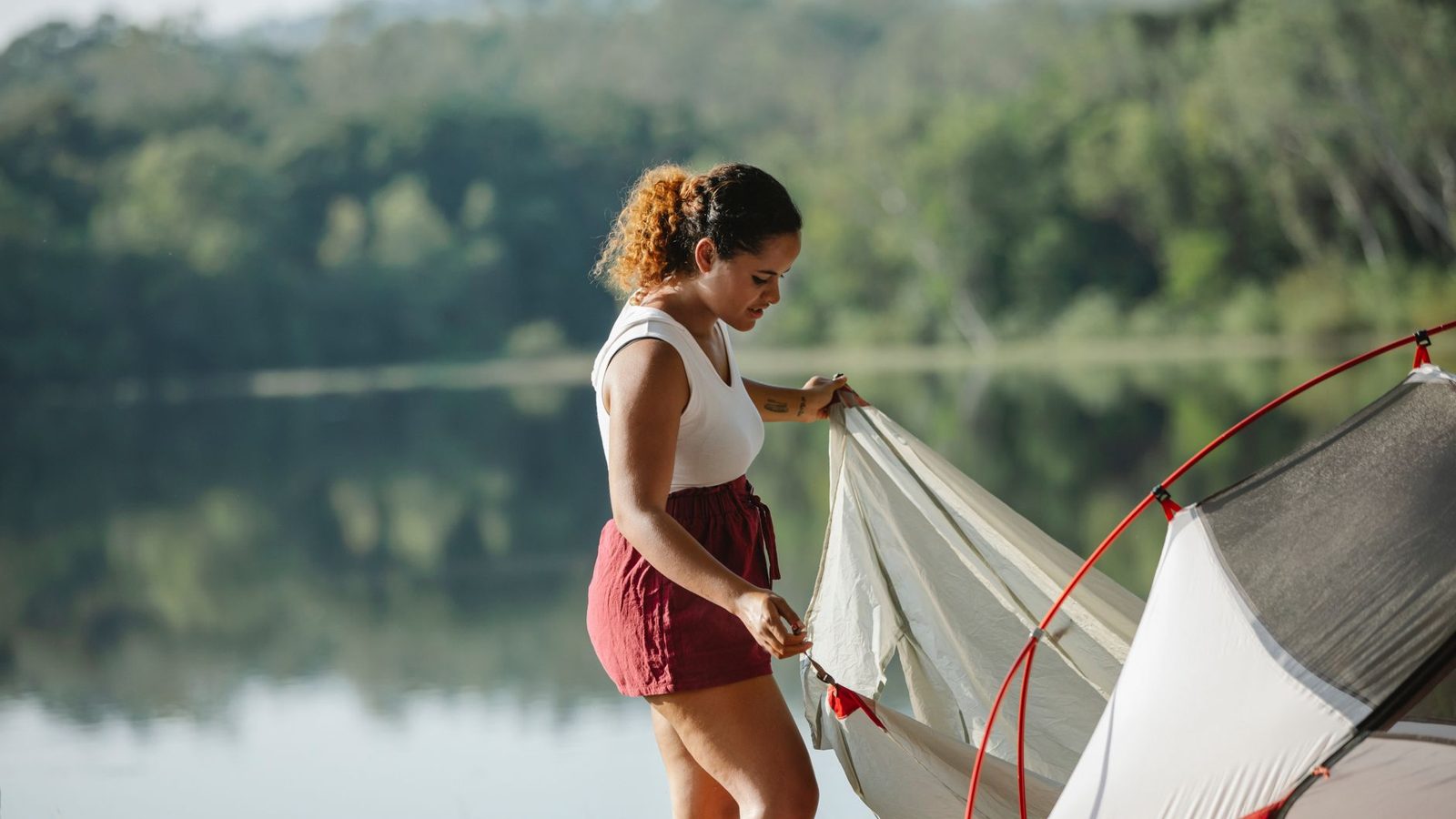
The tent is the cornerstone of your camping experience. It is your protection against wind, rain, and bugs. For beginners, the priority is ease of setup and weather resistance, not ultralight weight. You do not need a tent that weighs three pounds if you are driving to the campsite.
What to Look For
When shopping for budget camping gear for beginners, focus on a “freestanding” dome tent. These are easy to pitch and can be moved once assembled. Look for a capacity rating that is one person higher than your group size. If you are camping solo, get a 2-person tent for extra gear space. If you are a couple, get a 3-person tent.
Avoid “tunnel tents” or complex geodesic structures for your first purchase. They require more skill to set up and are often more expensive. Stick to fiberglass poles rather than aluminum; while aluminum is lighter and stronger, fiberglass is significantly cheaper and perfectly adequate for fair-weather car camping.
Top Budget Pick: Coleman Sundome 2-Person Tent
- Approximate Price: $75
- Why It Works: The Coleman Sundome is the gold standard for entry-level camping. It features a simple color-coded pole system that allows you to set it up in under 10 minutes. It includes a WeatherTec system with welded floors and inverted seams to keep water out. While it isn’t designed for high winds, it handles typical summer storms with ease.
Alternative: ALPS Mountaineering Lynx 1-Person
- Approximate Price: $85
- Why It Works: If you are camping solo, this offers better ventilation and slightly more durable materials than the Coleman, while still staying within the budget.
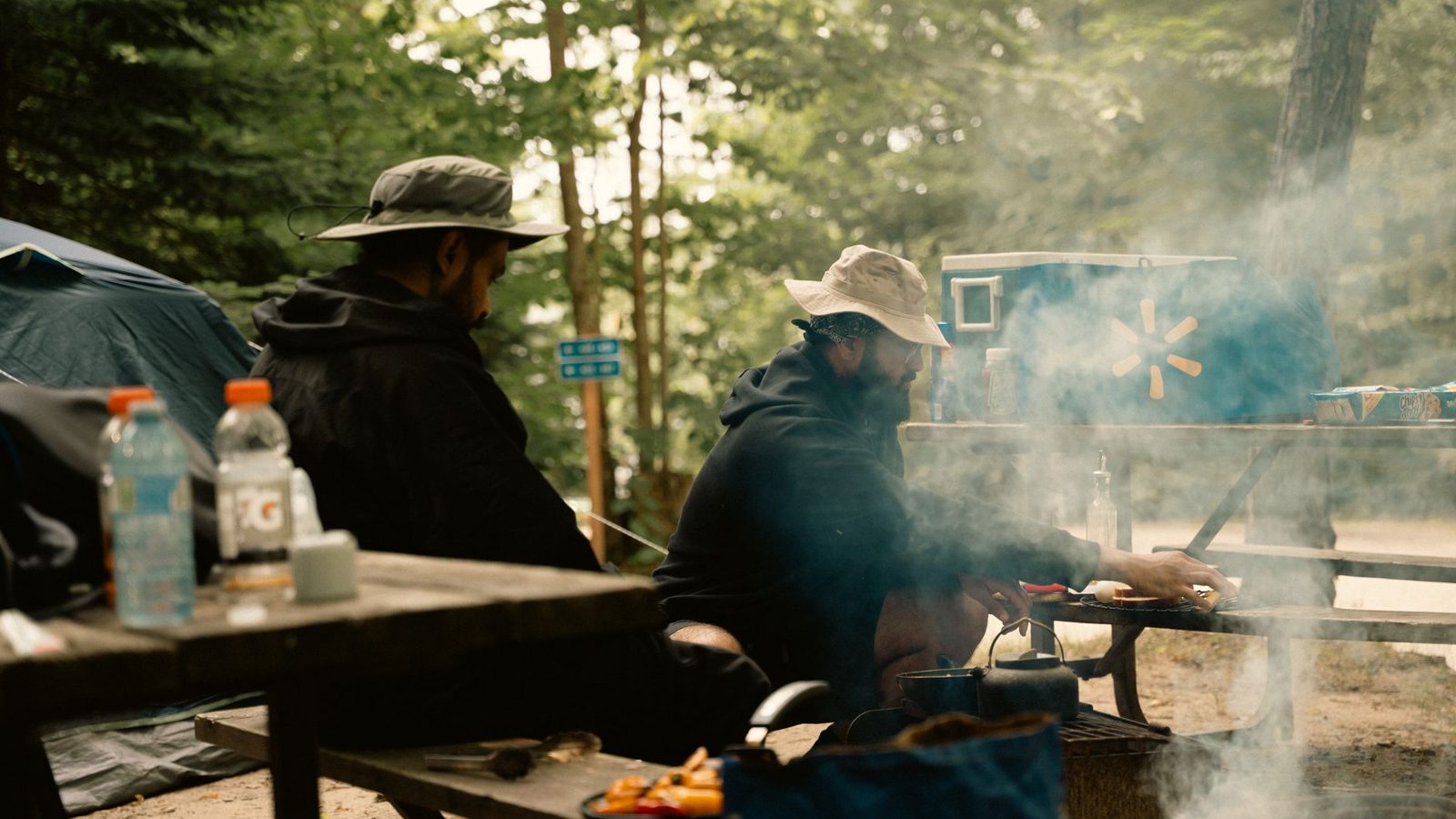 Photo: apertur 2.8
2. The Sleep System: Bag and Pad
Many beginners make the mistake of buying a warm sleeping bag but forgetting the sleeping pad. The ground sucks heat away from your body faster than the air does. Without insulation underneath, even a $100 sleeping bag will feel cold.
What to Look For
For your sleeping bag, look for a synthetic fill rather than down. Down is warmer and compresses smaller, but it loses all insulating power when wet. Synthetic bags are heavier but perform better in damp conditions and are much cheaper. Check the temperature rating; for summer camping, a 30°F to 40°F rating is sufficient.
For the sleeping pad, you have two main budget options: foam or inflatable. Foam pads are virtually indestructible and cheap, but bulky. Inflatable pads are comfortable but can puncture. For a strict budget, a closed-cell foam pad is the most reliable choice.
Top Budget Pick: Teton Sports Tracker Ultralight Sleeping Bag
- Approximate Price: $45
- Why It Works: This bag is rated for 20°F, which is overkill for summer but ensures you stay warm in unexpected cold snaps. The synthetic insulation is easy to wash and dries quickly.
Top Budget Pick: Z-Lite Sol Sleeping Pad
- Approximate Price: $35
- Why It Works: This is an accordion-style foam pad. It provides excellent insulation from the cold ground and is impossible to puncture. It folds up small enough to strap to the outside of a backpack.
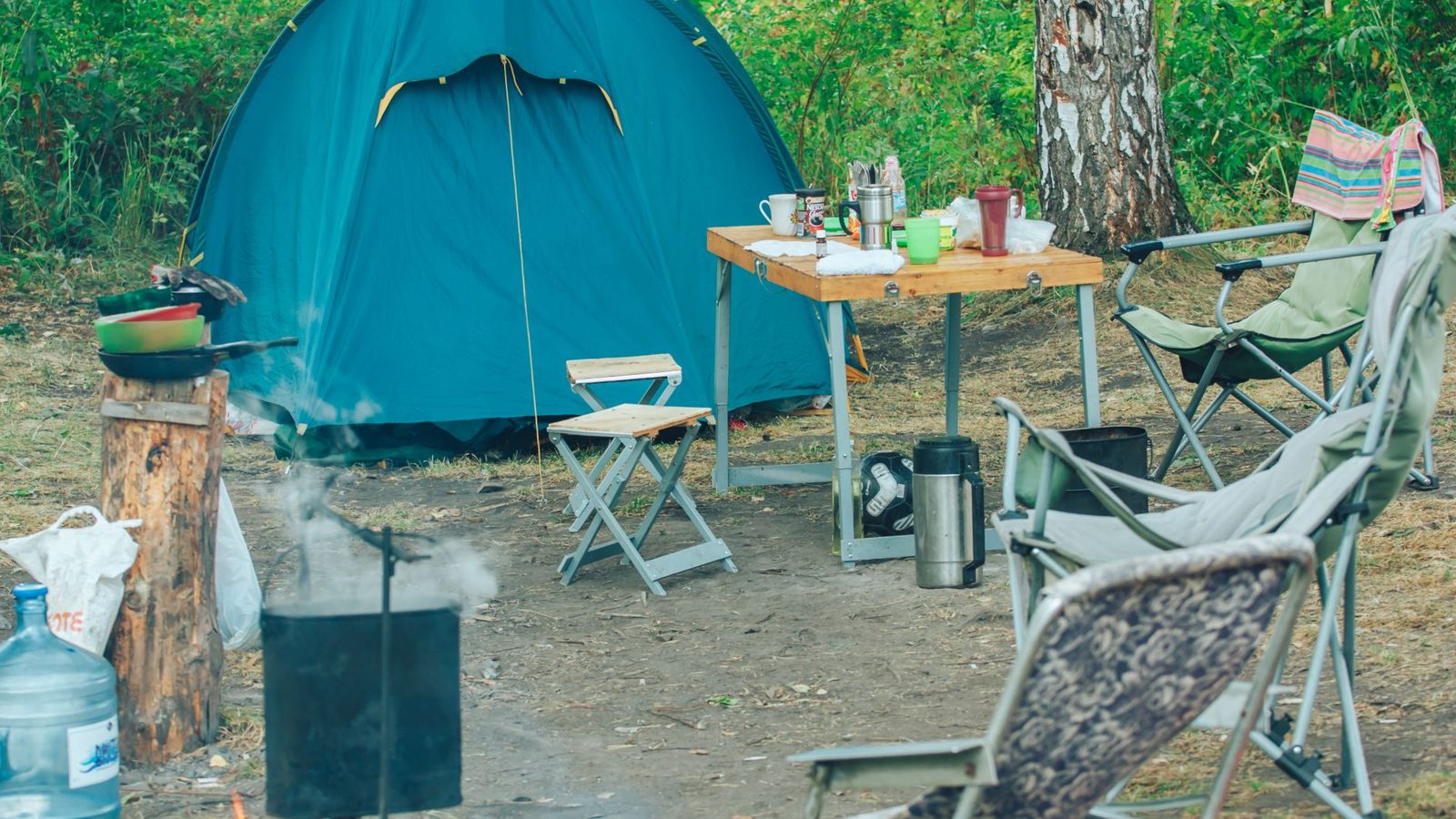 Photo: Bulat Khamitov
3. Carrying Your Gear: The Backpack
If you are car camping, you technically don’t need a backpack; you can use a duffel bag or just carry items in your hands. However, having a proper pack makes moving from the car to the campsite much easier and protects your gear.
What to Look For
For a budget setup, you do not need a technical hiking pack with suspension frames and hip belts. A simple, durable daypack or a basic internal frame pack is sufficient. Look for at least 40 liters of capacity to fit your tent, bag, and clothes. Ensure it has padded shoulder straps so it doesn’t dig into your neck.
Top Budget Pick: Amazon Basics Hiking Backpack
- Approximate Price: $30
- Why It Works: While generic, these packs offer decent durability for the price. They have enough compartments to organize your gear and are large enough to carry everything you need for a weekend trip.
Note: If you plan to hike more than 3 miles to your campsite, consider looking at our guide on car camping vs backpacking to see if you need a more technical pack.
4. Cooking and Eating: Stove and Cookware
Eating a hot meal makes a camping trip feel like an adventure rather than a survival situation. You don’t need a full kitchen, but you do need a reliable heat source and a pot to boil water.
What to Look For
A canister stove is the easiest option for beginners. They light instantly, are compact, and are very affordable. Avoid liquid fuel stoves for now; they require priming and maintenance. For cookware, a simple aluminum pot and a spork are all you need. Avoid glass or ceramic dishes; they are heavy and prone to breaking.
Top Budget Pick: Gas One GS-3000 Portable Stove
- Approximate Price: $25
- Why It Works: This stove is lightweight, folds flat, and uses standard propane canisters that are available at almost any grocery store. It boils water quickly and is stable enough for a small pot.
Top Budget Pick: GSI Outdoors Pinnacle Camper Cookset (Mini)
- Approximate Price: $25
- Why It Works: This set includes a pot, a mug, and a spork. It is made of hard-anodized aluminum which heats evenly. It nests together perfectly to save space in your pack.
5. Lighting and Power
Once the sun goes down, the forest becomes a different world. You need light to cook, navigate, and avoid tripping over tent stakes.
What to Look For
You need two types of light: a headlamp for hands-free tasks (like setting up the tent) and a lantern for ambient light at the campsite. LED technology has made these incredibly energy-efficient. You do not need rechargeable gear if you are on a budget; standard AA batteries are cheap and easy to replace.
Top Budget Pick: Black Diamond Spot 400 Headlamp
- Approximate Price: $40
- Why It Works: This is a reliable, bright headlamp that is waterproof and durable. It has a red light mode to preserve night vision.
Top Budget Pick: Coleman BatteryGuard LED Lantern
- Approximate Price: $20
- Why It Works: This lantern is designed to prevent battery corrosion, which is a common issue with cheap lights. It provides ample light for a small campsite and is very affordable.
6. Safety and First Aid
The final piece of the puzzle is safety. You hope you never need it, but when you do, you will be glad you have it. A first aid kit should be tailored to your specific trip, but there are basics everyone needs.
What to Look For
Do not buy a pre-packaged kit from a gas station; they are often full of useless items. Build your own or buy a reputable outdoor brand kit. Essentials include bandages, antiseptic wipes, blister treatment (moleskin), pain relievers, and tweezers. Also, bring a basic multi-tool.
Top Budget Pick: Adventure Medical Kits Ultralight & Watertight .5
- Approximate Price: $20
- Why It Works: This kit is compact, waterproof, and contains the essentials for minor injuries. It fits easily into any pocket or pack.
Top Budget Pick: Leatherman Squirt PS4
- Approximate Price: $20
- Why It Works: A small multi-tool is invaluable for fixing gear, opening food packages, or cutting rope. This model is small enough to carry on a keychain but strong enough for camping tasks.
Total Cost Breakdown
To prove that budget camping gear for beginners is achievable, here is the exact cost breakdown of the setup described above. Prices are estimates based on average online retail prices in 2026.
| Item Category | Product | Estimated Price |
|---|---|---|
| Tent | Coleman Sundome 2-Person | $75.00 |
| Sleeping Bag | Teton Sports Tracker | $45.00 |
| Sleeping Pad | Z-Lite Sol Foam Pad | $35.00 |
| Backpack | Amazon Basics 40L Pack | $30.00 |
| Stove | Gas One GS-3000 | $25.00 |
| Cookware | GSI Pinnacle Mini Set | $25.00 |
| Lighting | Black Diamond Headlamp + Coleman Lantern | $60.00 |
| Safety | First Aid Kit + Multi-tool | $40.00 |
| TOTAL | $335.00 |
Wait, $335? You might be thinking. How did we promise $200? The breakdown above represents a “safe” budget. To hit the strict $200 target, you need to make strategic compromises. Here is the “Strict Budget” adjustment:
- Tent: Look for sales on the Coleman Sundome (often drops to $60).
- Sleep System: Buy a generic 40°F synthetic bag ($30) and a basic foam pad ($15).
- Backpack: Use a large duffel bag you already own ($0).
- Lighting: Buy a basic LED headlamp ($15) and skip the lantern (use phone light).
- Cookware: Use a single pot and a fork ($15).
- Safety: Assemble a DIY kit from a pharmacy ($15).
Strict Budget Total: ~$195.00
Gear Comparison Table
For those who want to compare specific specs before buying, here is a quick reference table of our recommended budget picks.
| Item | Budget Pick | Price | Weight | Rating |
|---|---|---|---|---|
| Tent | Coleman Sundome 2P | $75 | 9.6 lbs | 4.5/5 |
| Sleeping Bag | Teton Sports Tracker | $45 | 4.5 lbs | 4.3/5 |
| Sleeping Pad | Z-Lite Sol | $35 | 1.5 lbs | 4.7/5 |
| Backpack | Amazon Basics 40L | $30 | 2.2 lbs | 4.0/5 |
| Stove | Gas One GS-3000 | $25 | 0.5 lbs | 4.6/5 |
| Cookware | GSI Pinnacle Mini | $25 | 0.8 lbs | 4.8/5 |
| Headlamp | Black Diamond Spot 400 | $40 | 0.2 lbs | 4.9/5 |
Tips to Stretch Your Budget
If you are still struggling to hit the $200 mark, consider these strategies:
- Buy Used: Check local Facebook Marketplace groups or REI Garage Sales. Tents and sleeping bags are often sold by people who went camping once and never returned.
- Wait for Sales: Black Friday and end-of-summer clearances are the best times to buy budget camping gear for beginners.
- Prioritize: Spend more on the sleep system (bag + pad) and less on the tent. You can sleep in a cheap tent if you are warm, but you can’t sleep well in a warm bag on a cold floor.
- Check Your Home: Do you have a flashlight? A pot? A backpack? Don’t buy what you already own.
For a complete list of what to pack, make sure you download our camping checklist for beginners.
Frequently Asked Questions
1. Is $200 enough for a full camping setup?
Yes, but it requires discipline. You will be buying entry-level gear. It won’t last a decade, but it will last for your first few seasons while you decide if you love camping enough to invest in higher-end equipment.
2. Do I need a tent if I have a sleeping bag?
Technically, no. You can use a tarp or a hammock. However, for a beginner, a tent offers the best protection from bugs and weather. It creates a psychological boundary that makes sleeping easier.
3. What is the most important piece of gear?
The sleeping pad. Beginners often underestimate how cold the ground is. A good pad is more important than a $200 sleeping bag. If you have to choose between a better bag or a better pad, choose the pad.
4. Can I use this gear for backpacking?
Yes, but with caveats. The Coleman tent and foam pad are heavy. If you plan to hike more than 5 miles, you will feel the weight. For longer hikes, refer to our best budget tents guide for lighter options.
5. How do I clean my budget gear?
Treat it well. Wash your sleeping bag in a front-loading washer with mild detergent. Air dry your tent completely before storing it to prevent mold. Clean your stove after every use to prevent clogging.
Conclusion
Starting your camping journey doesn’t require a fortune. With careful selection and a focus on the essentials, you can assemble a complete kit for under $200. The goal of your first trip isn’t perfection; it’s experience. Use this budget gear to learn what you like, what you need, and what you can do without.
Once you have mastered the basics, you can upgrade your gear piece by piece. But for now, grab your tent, pack your bag, and head out. The mountains aren’t going to explore themselves.
Remember, the best gear is the gear that gets you outside. Happy camping!