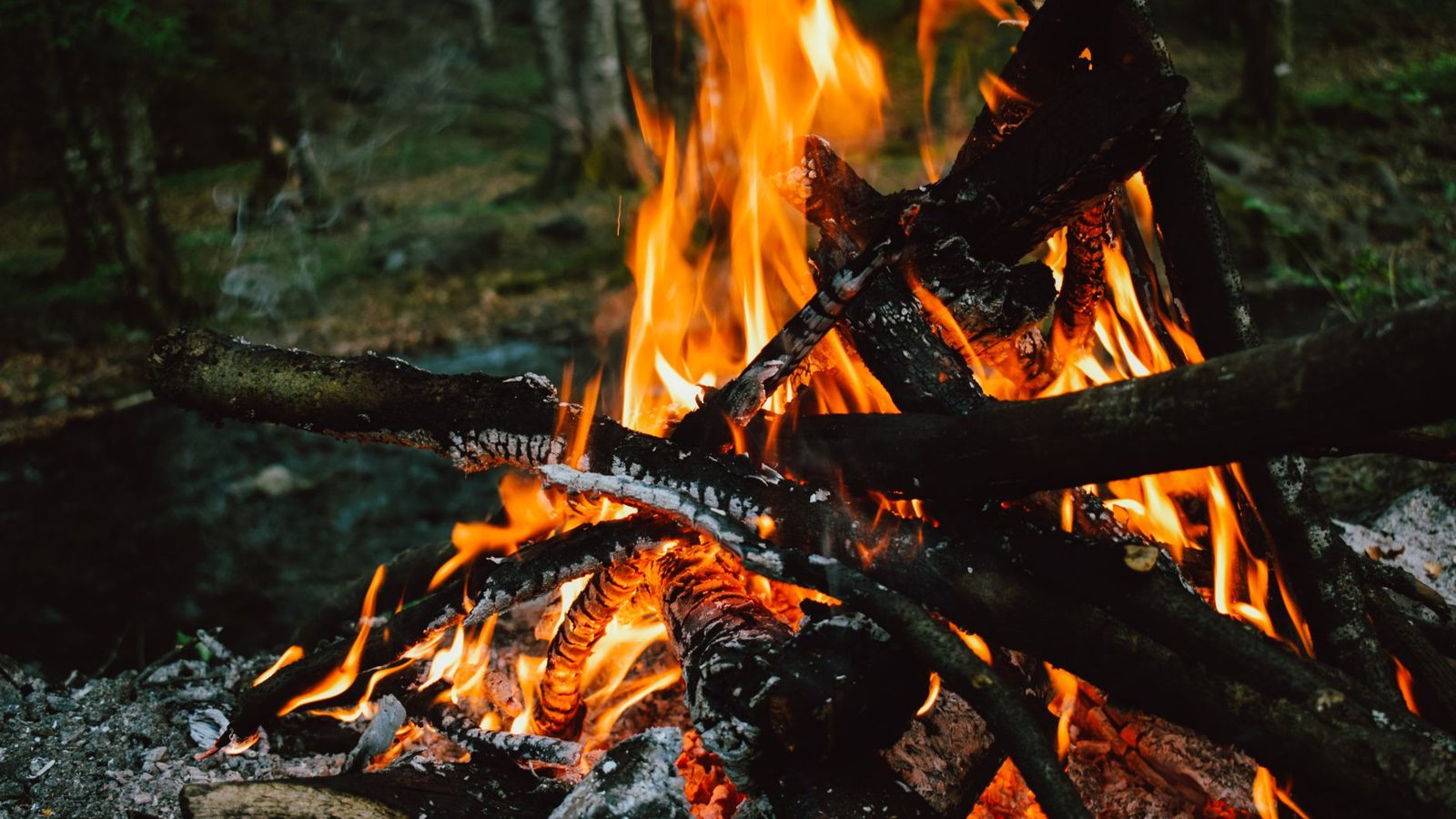
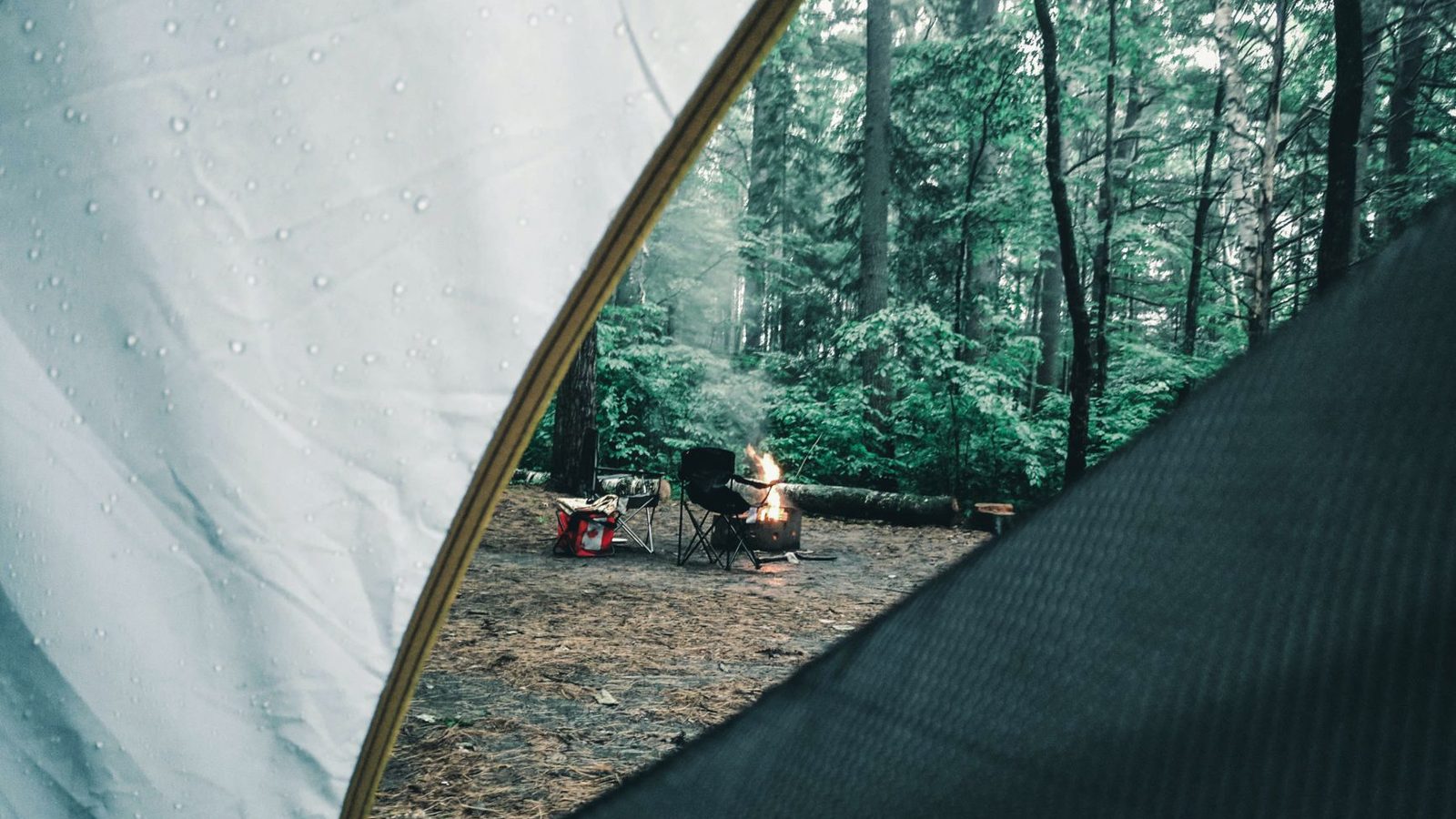
There is a specific kind of magic that exists only when the sky opens up and the forest turns into a symphony of dripping leaves and drumming water. For many outdoor enthusiasts, the forecast of precipitation is a signal to pack up the car and head home. However, for the seasoned adventurer, rain is not a deterrent; it is an invitation. The world feels quieter, the air smells cleaner, and the solitude is profound. But there is a fine line between a cozy, atmospheric experience and a miserable, hypothermic ordeal. The difference lies in preparation.
If you are looking to transform a gloomy forecast into a memorable adventure, you need reliable camping in the rain tips. Whether you are a weekend warrior or a thru-hiker, mastering wet weather camping requires a shift in mindset and a mastery of specific skills. This guide covers fifteen essential strategies to keep you dry, warm, and sane when the clouds gather. By the end of this article, you will understand how to select the perfect site, configure your shelter for maximum protection, manage your gear, and even find joy in the storm.
1. Master Campsite Selection on Wet Ground
The foundation of a dry camp is the ground you choose. When the earth is saturated, water behaves unpredictably, seeking the lowest points and pooling in depressions. Your first step in camping in the rain tips is scouting the terrain before you commit to a spot.
Avoid natural basins or valleys where runoff will converge. Instead, look for high ground. While you want to avoid the very top of a hill where wind exposure is highest, a gentle slope is ideal. This allows water to run off beneath your tent rather than pooling around it. Check the soil composition as well; sandy or rocky soil drains significantly better than heavy clay, which holds water like a sponge.
Additionally, look for natural windbreaks. A dense stand of trees can shield your tent from driving rain and wind, but be wary of “widowmakers”—dead branches that could snap under the weight of wet leaves or strong gusts. Always inspect the canopy above your sleeping area. A natural roof of thick branches can reduce the amount of rain hitting your tarp, but it can also drip heavily once the wind shifts.
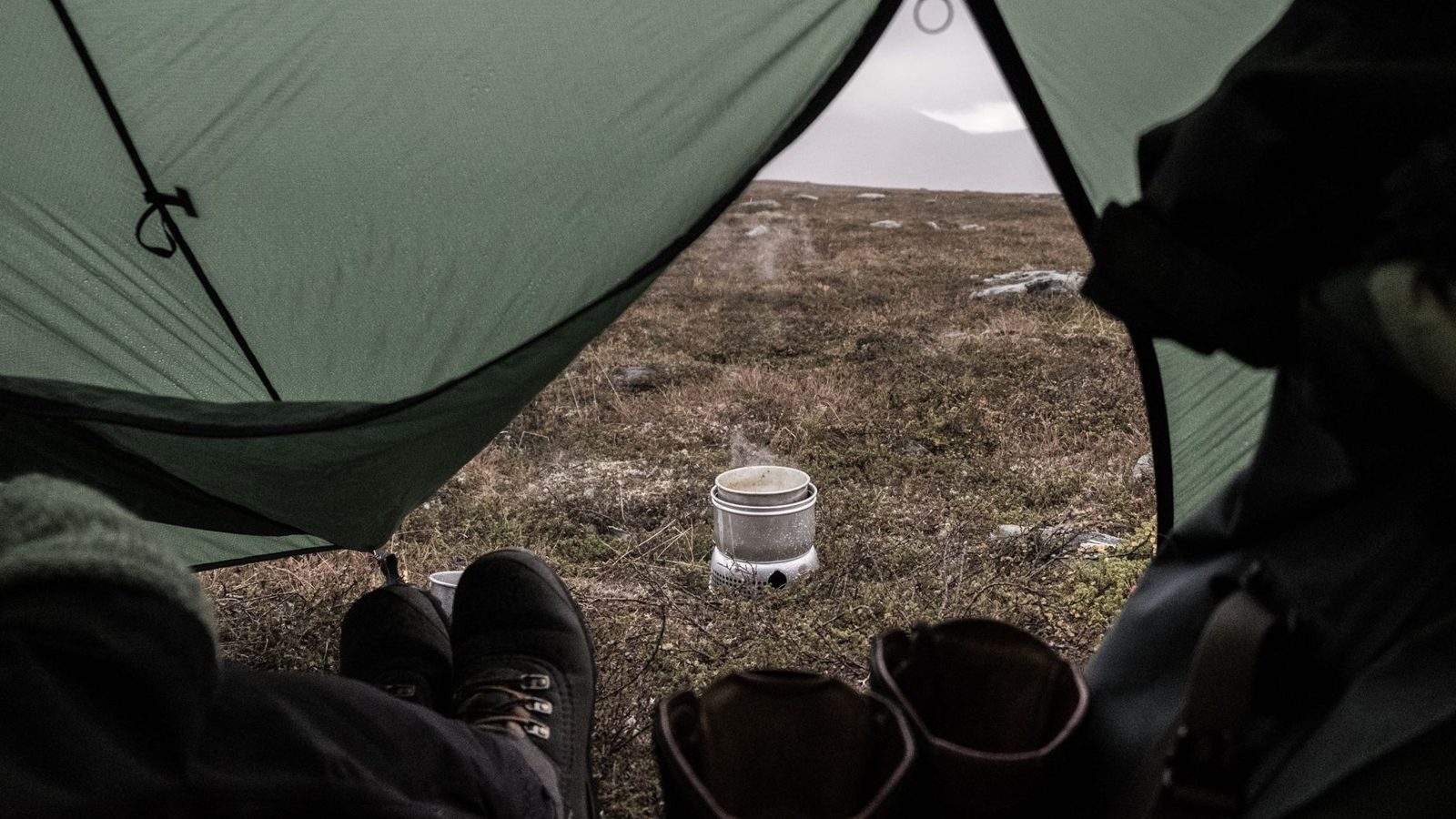 Photo: Sidde
2. Prioritize Tarp Configurations Over Tent Reliance
While modern tents are waterproof, relying solely on a tent fly during a heavy downpour can lead to condensation issues and limited living space. A tarp is the ultimate tool for wet weather camping. It extends your shelter beyond the tent footprint, creating a dry vestibule where you can cook, eat, and store gear without getting wet.
There are two primary tarp configurations you should master: the A-frame and the lean-to. The A-frame offers the best protection against wind and rain coming from multiple directions. It creates a peaked roof that sheds water efficiently. To pitch this, you need two anchor points at equal height. The lean-to is better for blocking wind from a specific direction while allowing airflow from the other side, which is crucial for ventilation.
When setting up your tarp, ensure it is taut. A sagging tarp will pool water in the center, creating a heavy weight that can collapse the structure or drip directly onto your tent. Use ridgelines and guylines effectively. If you are using a tent with a fly, pitch the tarp over the tent, leaving a gap between the tarp and the tent fly. This gap allows air to circulate, reducing condensation inside the tent while keeping the rain out.
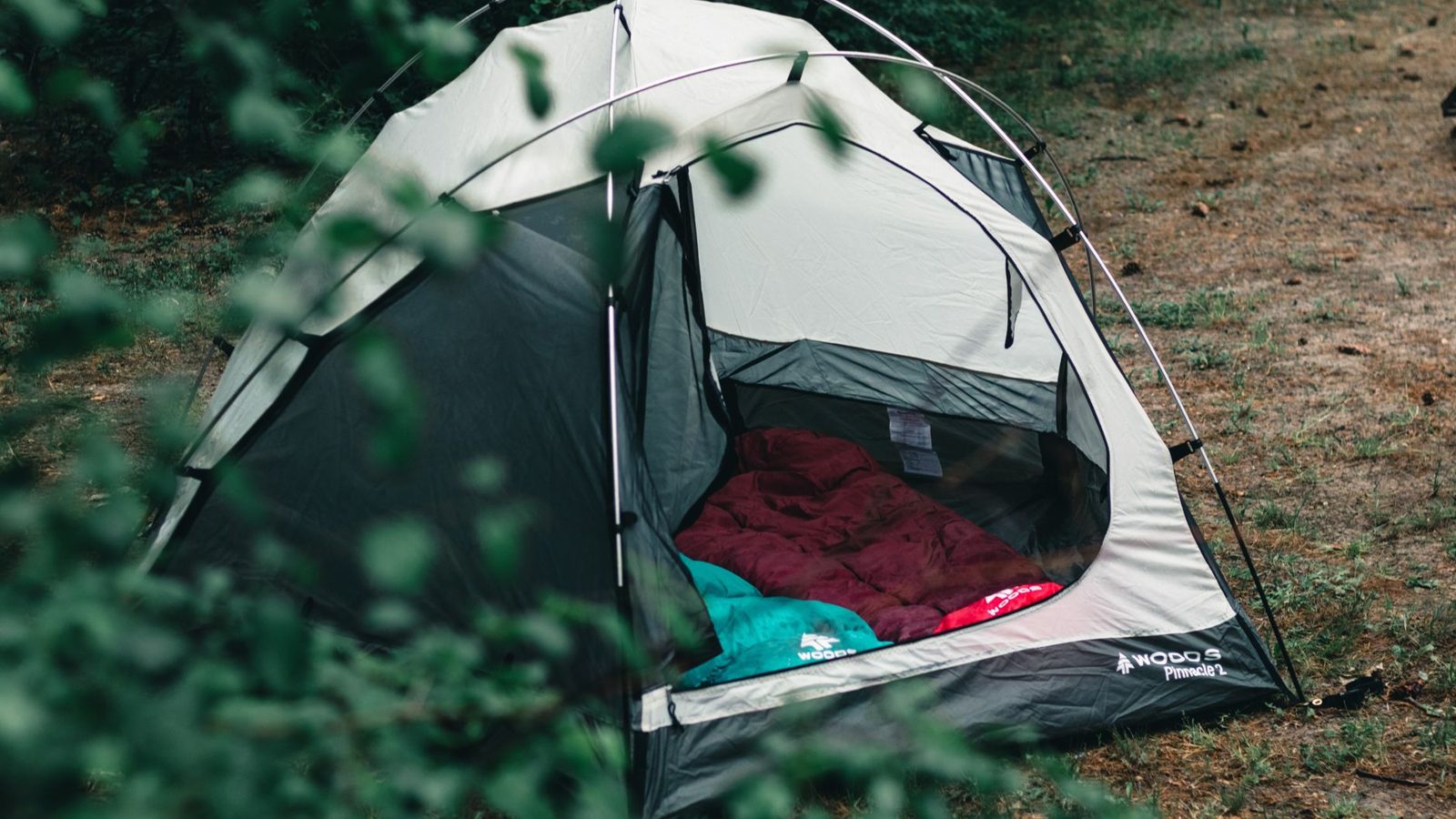 Photo: Ali Kazal
3. Implement a Strict “Dry Zone” System
Organization is the enemy of moisture. When you are camping in the rain, everything you touch can become wet. To combat this, establish a strict “dry zone” system within your camp. Your tent interior should be the sacred dry zone. Outside the tent, under the tarp, is the “transition zone.”
Never bring wet boots into the tent. Designate a specific area under the tarp for your muddy footwear. Use a small footprint or a piece of plastic sheeting to create a mud mat. When you enter the tent, wipe down your rain jacket and pack before stepping over the threshold. This simple habit prevents the interior of your tent from becoming a humid cave.
Furthermore, organize your pack so that your sleeping bag and dry clothes are the last things to be removed and the first things to be put away. If you need to access your dry clothes during the day, have a dedicated dry bag that stays inside the tent. This ensures that even if your main pack gets soaked, your sleep system remains pristine.
4. Utilize Dry Bags for Critical Gear
Waterproof stuff sacks and dry bags are non-negotiable for camping in the rain tips. While your tent keeps the rain off, it does not keep the humidity out. Your sleeping bag is your most critical asset; if it gets wet, it loses its loft and its ability to insulate.
Invest in high-quality dry bags for your sleeping bag, down jacket, and electronics. Roll the top of the dry bag three times and clip it securely to ensure a watertight seal. For items that need to be accessed frequently, like your headlamp or snacks, use smaller waterproof pouches.
If you are using a backpack, consider a pack liner. A heavy-duty trash compactor bag or a dedicated pack liner placed inside your backpack provides a secondary layer of defense. Even if the rain soaks through the fabric of your pack, the liner keeps the contents dry. Remember, no fabric is truly waterproof forever; water pressure and abrasion will eventually compromise the DWR (Durable Water Repellent) coating on your pack.
5. Manage Condensation Inside the Tent
One of the biggest misconceptions about rain camping is that the water coming in is the main problem. Often, it is the water coming from you. Condensation occurs when warm, moist air from your breath and body hits the cold inner walls of the tent.
To manage condensation, ventilation is key. Even in the rain, you should crack open your tent vents. It sounds counterintuitive to let rain in, but a slight opening allows moist air to escape. If the rain is too heavy for open vents, ensure your rain fly is pitched tautly so that water runs off rather than soaking through the fabric.
Avoid cooking inside the tent unless absolutely necessary. Cooking releases a significant amount of steam. If you must cook inside, do it near the open vestibule door and keep the rain fly adjusted to allow the steam to escape. Wipe down the inside of your tent walls in the morning with a microfiber towel to remove accumulated moisture before packing up. This prevents your gear from getting damp during the pack-up process.
6. Choose the Right Rain-Friendly Activities
Rain shouldn’t mean the end of the adventure; it just means a change of pace. Embracing camping in the rain tips involves selecting activities that are enhanced by the weather.
Reading is the quintessential rain camping activity. There is nothing quite like curling up in a sleeping bag with a good book while the storm rages outside. It is also an excellent time for journaling or sketching. The sensory experience of the rain provides endless inspiration.
Cooking is another activity that shines in the rain. Preparing a hot meal under a tarp feels like a culinary triumph. Focus on one-pot meals that are easy to manage in wet conditions. Soups, stews, and oatmeal are perfect because they keep you warm from the inside out.
If you are with a group, rain camping is a great opportunity for board games or card games. The confined space of a tent or tarp encourages social interaction that might not happen on a sunny day when everyone is out hiking.
7. Master the Art of Drying Wet Clothes
Despite your best efforts, some things will get wet. Your rain jacket might soak through, or your socks might get damp from puddles. Knowing how to dry clothes in the field is a vital survival skill.
First, avoid cotton. Cotton absorbs water and holds it against your skin, leading to rapid heat loss. Stick to wool or synthetic blends. If your socks get wet, wring them out thoroughly before putting them back on. The friction of walking will generate heat, which helps dry the fabric.
For heavier items like pants or jackets, use the “body heat” method. Place the damp item inside your sleeping bag or against your skin under your layers while you are resting. The warmth of your body will evaporate the moisture. Be careful not to overheat, as this can lead to sweating, which creates a new moisture problem.
If you have a camp stove and it is safe to use, you can hang clothes near the heat source. However, keep a close eye on them. Synthetic fabrics can melt if they get too close to an open flame. A better option is to use a clothesline under the tarp, ensuring they are not directly in the path of dripping water from the tarp edges.
8. Invest in Quality Wet Weather Gear
You cannot rely on cheap gear when the sky is pouring. This is one of the most important camping in the rain tips. A $30 rain jacket from a department store will likely fail after an hour of heavy rain. Invest in a high-quality shell jacket made of Gore-Tex or similar breathable waterproof membranes.
Look for features like pit zips. These allow you to vent heat without taking the jacket off, reducing the amount of sweat that accumulates inside. Waterproof pants are equally important. Rain pants protect not just your legs but also your boots from splashing water.
Don’t forget your hands and feet. Waterproof gloves or mittens are essential for keeping your hands warm and functional. For your feet, gaiters are a game-changer. They prevent water from running down your legs into your boots. If you are prone to wet feet, consider waterproof socks as a backup layer. They are breathable and can keep your feet dry even if your boots get submerged.
9. Protect Your Electronics and Fire Starting Gear
Modern camping relies heavily on electronics: headlamps, GPS units, cameras, and phones. Water is the enemy of circuits. Keep all electronics in zip-lock bags or waterproof cases. Even a small amount of moisture can corrode connections.
Fire starting gear is critical. Wet wood is hard to ignite, and wet matches are useless. Always carry a backup fire starter in a waterproof container. Ferrocerium rods (ferro rods) work well even when wet, as the sparks are hot enough to ignite tinder.
When gathering tinder, look for dead standing wood. It is often drier than wood on the ground. Shave the bark off the wood to find the dry inner layers. If you have a tarp, you can create a dry shelter for your fire pit, but be mindful of the heat and smoke. A small, contained fire under a tarp can provide warmth and a place to dry socks, but ensure there is enough ventilation to prevent carbon monoxide buildup.
10. Understand Safety in Storms
While steady rain is cozy, thunderstorms can be dangerous. Knowing when to hunker down and when to move is crucial. If you hear thunder, you are within striking distance of lightning. The “30-30 Rule” is a good guideline: if the time between lightning and thunder is less than 30 seconds, seek shelter. Wait 30 minutes after the last thunderclap before resuming activities.
Avoid tall, isolated trees. They are prime targets for lightning. Instead, seek shelter in a dense stand of shorter trees or a low-lying area, but not a depression where water pools. If you are in a tent, stay off the ground if possible (sleeping on a pad helps) and avoid touching the metal poles, as they can conduct electricity.
Hypothermia is the silent killer in wet conditions. It doesn’t require freezing temperatures; it just requires being wet and cold. Watch for the signs: uncontrollable shivering, confusion, slurred speech, and fatigue. If you notice these signs, get into dry clothes immediately, consume warm calories, and seek shelter.
11. Optimize Your Sleeping System
Your sleep system is your sanctuary. In wet conditions, insulation is key. A sleeping bag rated for temperatures lower than you expect is wise. If you are using a down bag, ensure it is treated with a water-resistant coating. Synthetic bags are generally better for wet conditions as they retain insulation even when damp, though they are bulkier.
Your sleeping pad is just as important as your bag. It provides insulation from the cold ground. A closed-cell foam pad is virtually indestructible and waterproof, making it a great backup to an inflatable pad. If you use an inflatable pad, check it for leaks before you leave. A leak in the rain means a cold night.
Place your sleeping bag inside a compression sack, and then inside a dry bag. This double protection ensures that even if your tent leaks, your bag stays dry. Keep your pillow and extra clothes inside the bag with you to keep them warm.
12. Embrace the Mindset of Rain Camping
The most important camping in the rain tips are psychological. If you fight the rain, you will be miserable. If you accept it, you will be happy. Shift your focus from “staying dry” to “experiencing the rain.”
Listen to the rhythm of the drops. Watch how the water flows over rocks. Smell the petrichor, the earthy scent produced when rain falls on dry soil. This mindfulness can turn a potentially frustrating situation into a meditative experience.
Be patient. Wet gear takes longer to pack. Setting up camp takes longer. Accept that the pace of your trip will slow down. This is not a failure; it is part of the adventure. Embrace the slowness. Take more breaks. Enjoy the hot coffee for longer.
13. Plan for a Wet Pack-Up
Packing up in the rain is often harder than setting up. Everything is wet, and you want to get back to the car quickly. Plan your morning routine to minimize exposure.
Pack your wet tent and tarp first. Shake them out vigorously to remove as much water as possible before rolling them up. If you have a dry bag, put the wet tent in there. Your dry clothes and sleeping bag should be the last things to leave the tent.
Keep a dedicated “wet gear” bag in your car. When you return, you can transfer the wet items immediately without soaking the rest of your vehicle. This makes the transition from the wild back to civilization much smoother.
14. Use a Footprint for Your Tent
A footprint is a groundsheet that goes under your tent. It protects the tent floor from abrasion and moisture. In wet conditions, the ground is often muddy. A footprint prevents the mud from sticking to your tent floor, making it easier to pack up.
Ensure the footprint is slightly smaller than the tent floor. If it extends beyond the tent, rain can run off the tarp onto the footprint and then under the tent, wicking moisture inside. A properly sized footprint keeps the moisture on the outside.
15. Know When to Bail
Finally, the ultimate camping in the rain tips is knowing your limits. Sometimes, the rain is just too much. If the wind is howling, the temperature is dropping, or you are feeling the onset of hypothermia, it is okay to pack up and go home.
There is no shame in a “rain out.” The mountains will be there next time. Safety always trumps the itinerary. If the storm is severe, prioritize getting to shelter over sticking to your planned route. Trust your instincts. If the camp feels unsafe, move.
FAQ: Common Questions About Wet Weather Camping
Q: Is it better to camp in the rain or wait it out? A: It depends on the intensity. A steady drizzle is manageable and enjoyable with the right gear. A thunderstorm with high winds requires caution. If the forecast predicts severe weather, it is often safer to wait it out in a vehicle or cabin.
Q: How do I keep my tent from leaking? A: Most modern tents are waterproof, but seams can fail. Re-seal your tent seams with seam sealer before the trip. Also, ensure the rain fly is taut and not touching the inner tent walls, as capillary action can wick water through.
Q: Can I use a gas stove under a tarp? A: Yes, but ventilation is critical. Carbon monoxide is colorless and odorless. Ensure the tarp is open on at least two sides to allow airflow. Never use a charcoal stove under a tarp due to the smoke.
Q: What is the best fabric for rain gear? A: Gore-Tex is the gold standard for breathability and waterproofing. However, it is expensive. Silnylon is great for tarps and tents due to its high water resistance and low weight.
Q: How do I dry a wet sleeping bag? A: Hang it in the sun or near a heat source (not too close). If you are on the trail, stuff it loosely in your pack and let your body heat dry it over a few days. Avoid wringing it out, as this damages the insulation.
Conclusion
Camping in the rain is not about enduring discomfort; it is about embracing a different side of nature. With the right preparation, you can stay dry, warm, and comfortable while the world washes itself clean around you. By following these camping in the rain tips, from site selection to tarp configurations and safety protocols, you transform the storm from an obstacle into an asset.
Remember, the gear is only half the battle. The other half is your mindset. When you stop fighting the rain and start listening to it, you unlock a level of connection with the outdoors that sunny days rarely provide. So next time the forecast calls for precipitation, pack your dry bags, pitch your tarp, and head out. The rain is waiting for you.