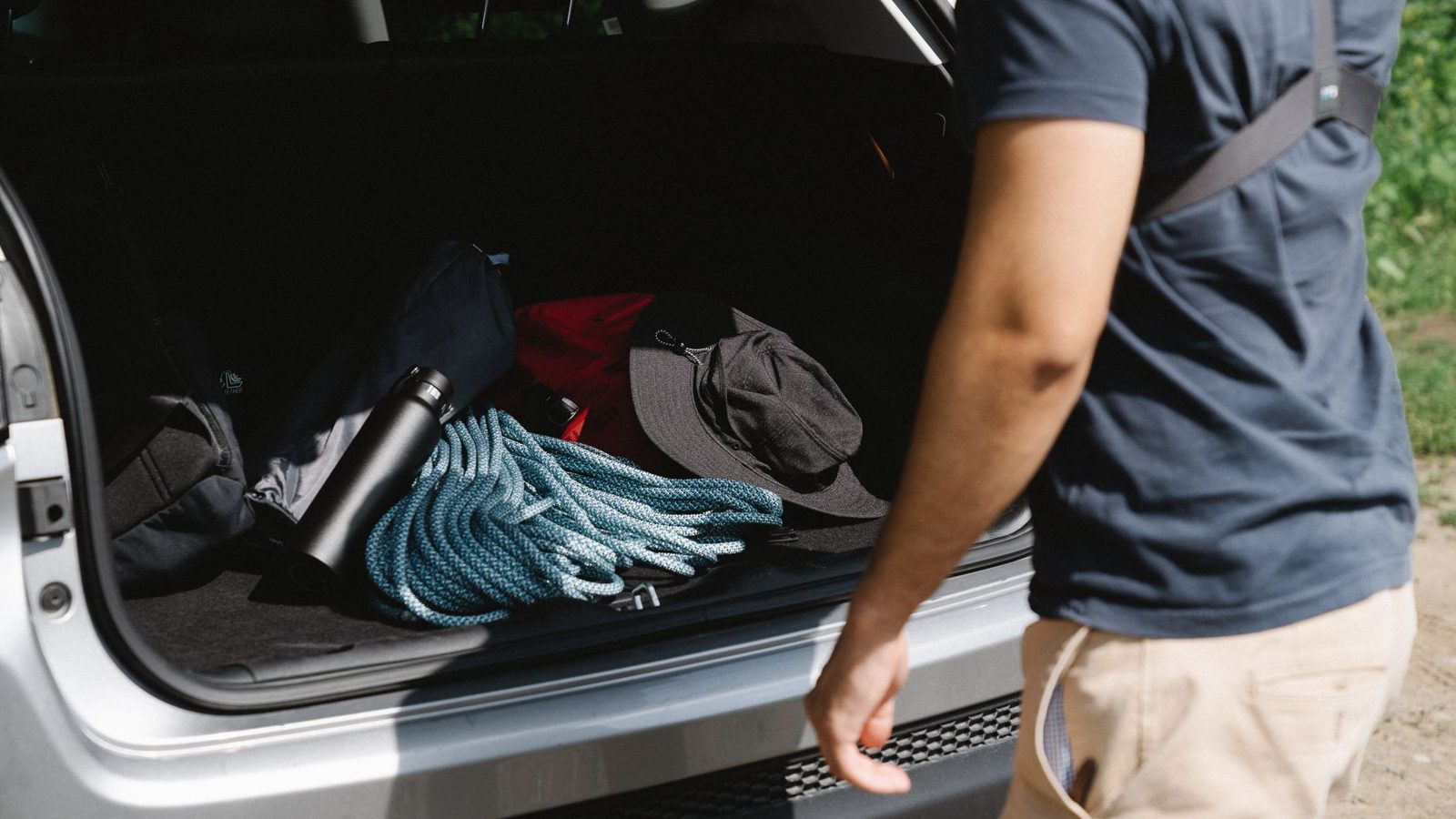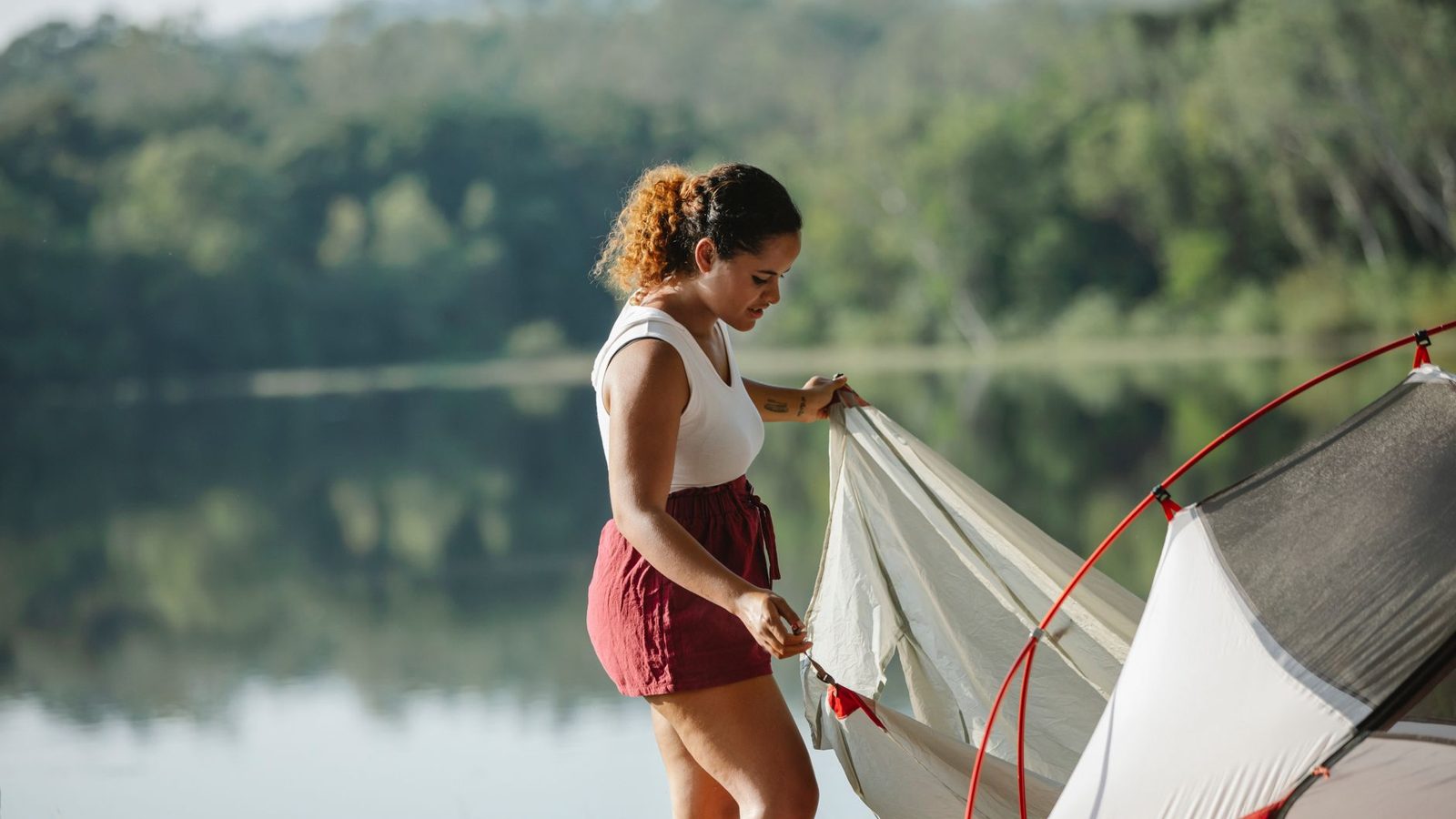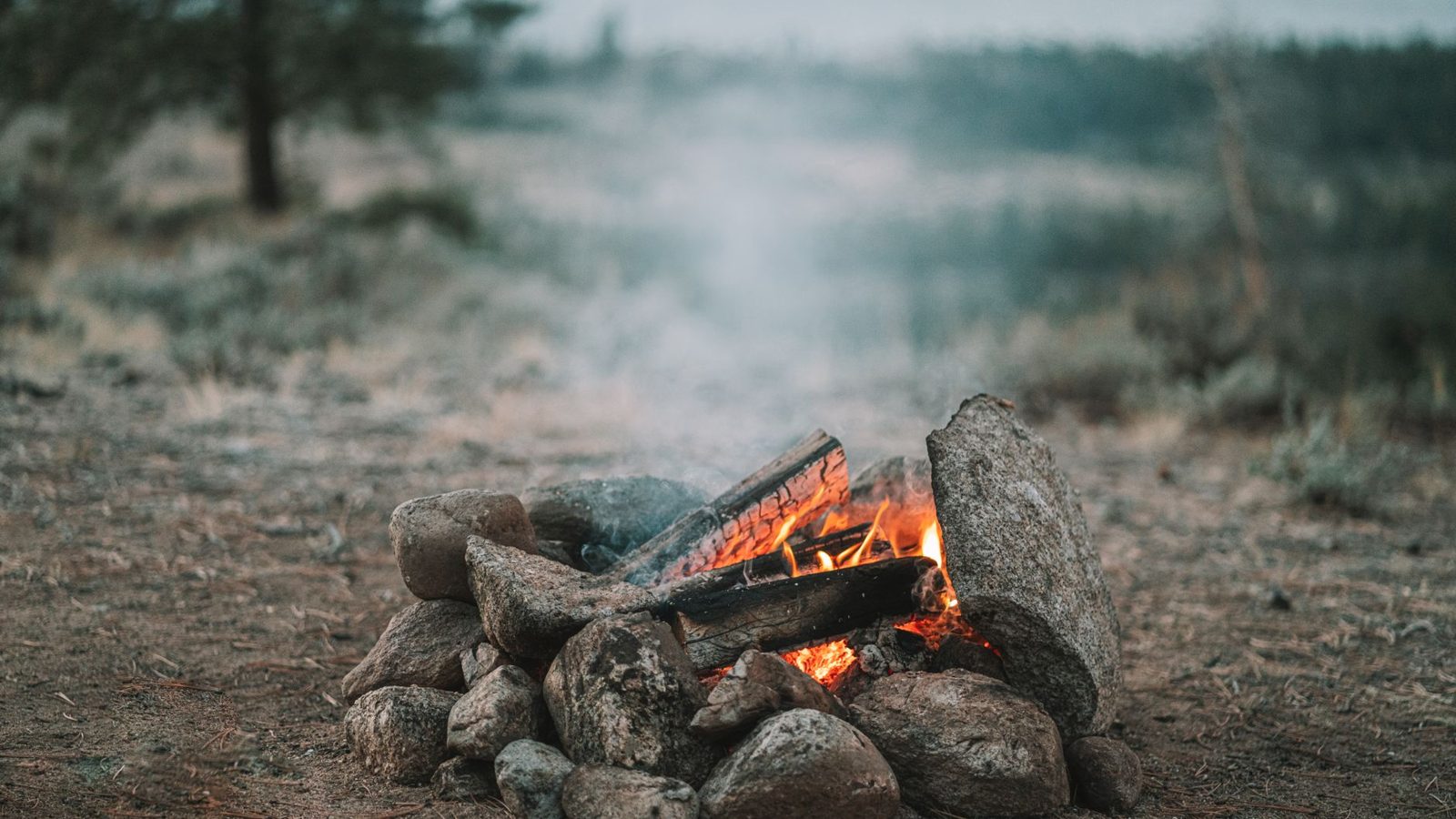
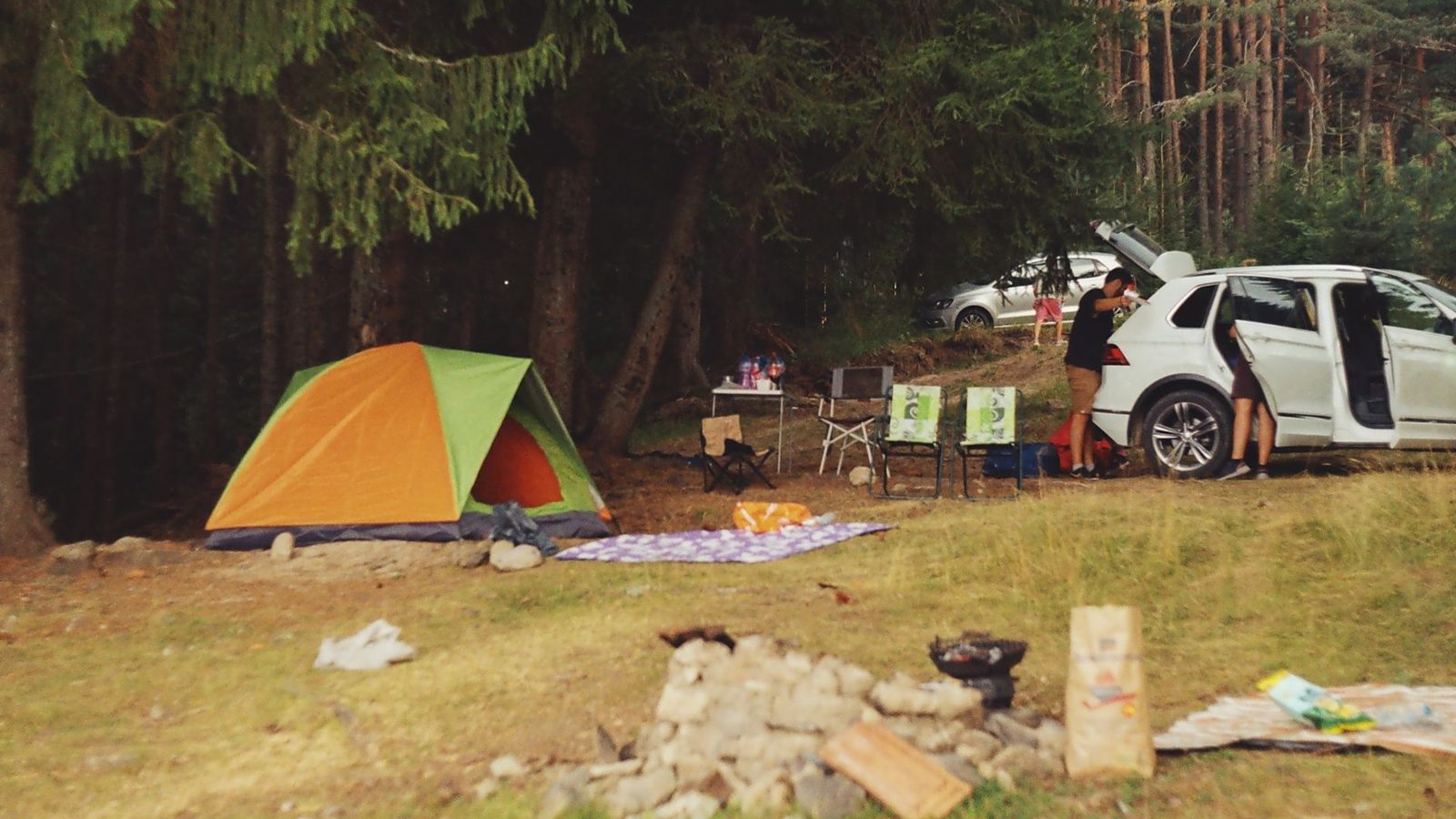
The great outdoors is calling, but standing at the trailhead (or the parking lot), you might feel a bit paralyzed by choice. Do you drive right up to your tent, or do you hike miles into the wilderness with everything on your back? This is the fundamental question that defines your outdoor experience. Whether you are looking to save money, get fit, or simply relax in nature, understanding the difference between car camping vs backpacking is the first step toward a successful trip.
For budget-conscious adventurers, this choice impacts your wallet just as much as your comfort level. One style allows you to bring your entire kitchen and a queen-sized air mattress, while the other demands you carry every ounce of gear on your shoulders. Neither is inherently “better,” but one is definitely better suited to your current lifestyle, fitness level, and bank account.
In this guide, we are going to cut through the jargon. We will look at the hard numbers regarding cost, the physical demands, the gear you need, and the type of campsite you can expect. By the end of this article, you will know exactly which path to take for your next weekend getaway.
What Exactly Are We Comparing?
Before we dive into the logistics, let’s define the terms clearly so there is no confusion.
Car Camping
Car camping is exactly what it sounds like. You drive your vehicle to a designated campsite, unload your gear, and set up camp within walking distance of your car. This style is often associated with established campgrounds that offer amenities like flush toilets, showers, fire pits, and sometimes even electrical hookups. Because you aren’t limited by weight, you can bring bulky tents, large coolers, camping chairs, and even portable grills. It is the most accessible entry point into the outdoor world.
Backpacking
Backpacking involves hiking into a backcountry location with all your gear packed into a backpack. You are responsible for carrying your shelter, sleep system, food, water, and clothing for the duration of the trip. Campsites are often primitive, lacking facilities, and require a permit in many popular areas. The focus here is on self-sufficiency, weight management, and immersion in the wilderness.
When people discuss car camping vs backpacking, they are usually weighing the comfort of the former against the adventure of the latter. However, for the budget camper, the decision often comes down to a calculation of initial investment versus recurring costs.
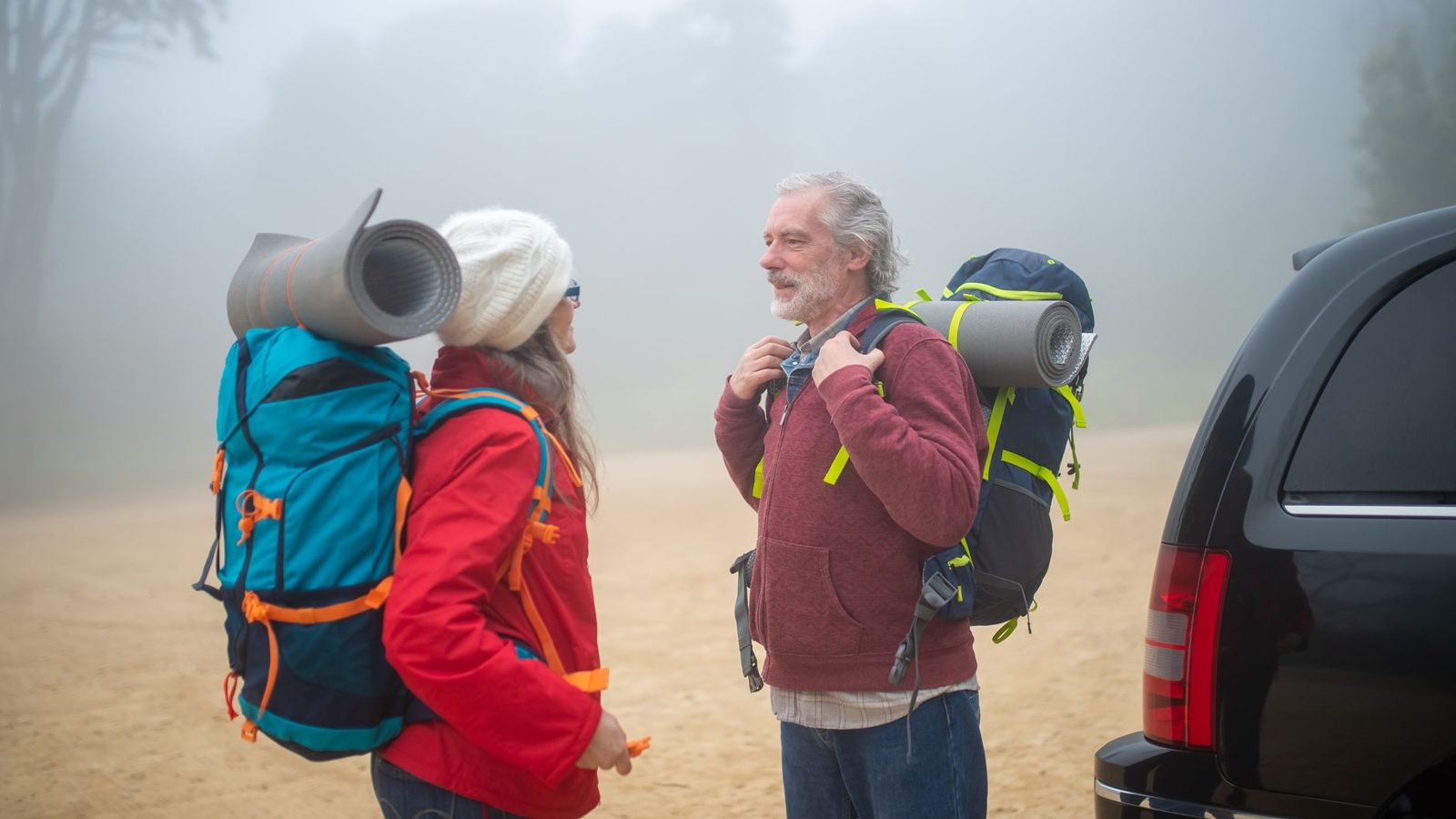 Photo: Kampus Production
Cost Breakdown: Which Is Cheaper?
Money is the primary concern for most budget campers. The financial reality of car camping vs backpacking is nuanced. While backpacking gear is often more expensive per ounce, the cost of the trip itself can be lower.
Initial Gear Investment
If you are starting from scratch, backpacking requires a higher upfront investment. To hike comfortably, you need lightweight gear. A backpacking tent, sleeping bag, and stove that weigh under 5 pounds total can cost significantly more than their heavy-duty car camping counterparts. You are paying for technology that reduces weight, not necessarily durability.
- Car Camping Gear: You can find a decent family tent, sleeping bag, and cooler for under $200 total. You can buy these at big-box retailers.
- Backpacking Gear: A reliable lightweight backpack, tent, and sleep system can easily cost $600 to $1,000 before you even buy a stove or water filter.
Recurring Trip Costs
Once you have the gear, the cost per trip changes.
- Car Camping: Campsite fees vary wildly. In popular state or national parks, sites can range from $20 to $50 per night. If you are driving a gas-guzzling SUV, fuel costs to reach the campground add up.
- Backpacking: Many backcountry sites are free, especially if you practice dispersed camping on public lands (like Bureau of Land Management land in the US). However, you may need to pay for trailhead parking or specific wilderness permits, which can range from $10 to $30 per person.
The Verdict on Cost
If you already own a car and basic gear, car camping vs backpacking leans toward car camping for the absolute cheapest first trip. However, if you plan to camp frequently throughout the year, backpacking can become cheaper in the long run because you avoid nightly campground fees. For the budget traveler, car camping is the low-risk entry point, while backpacking is the high-investment, low-recurring-cost option.
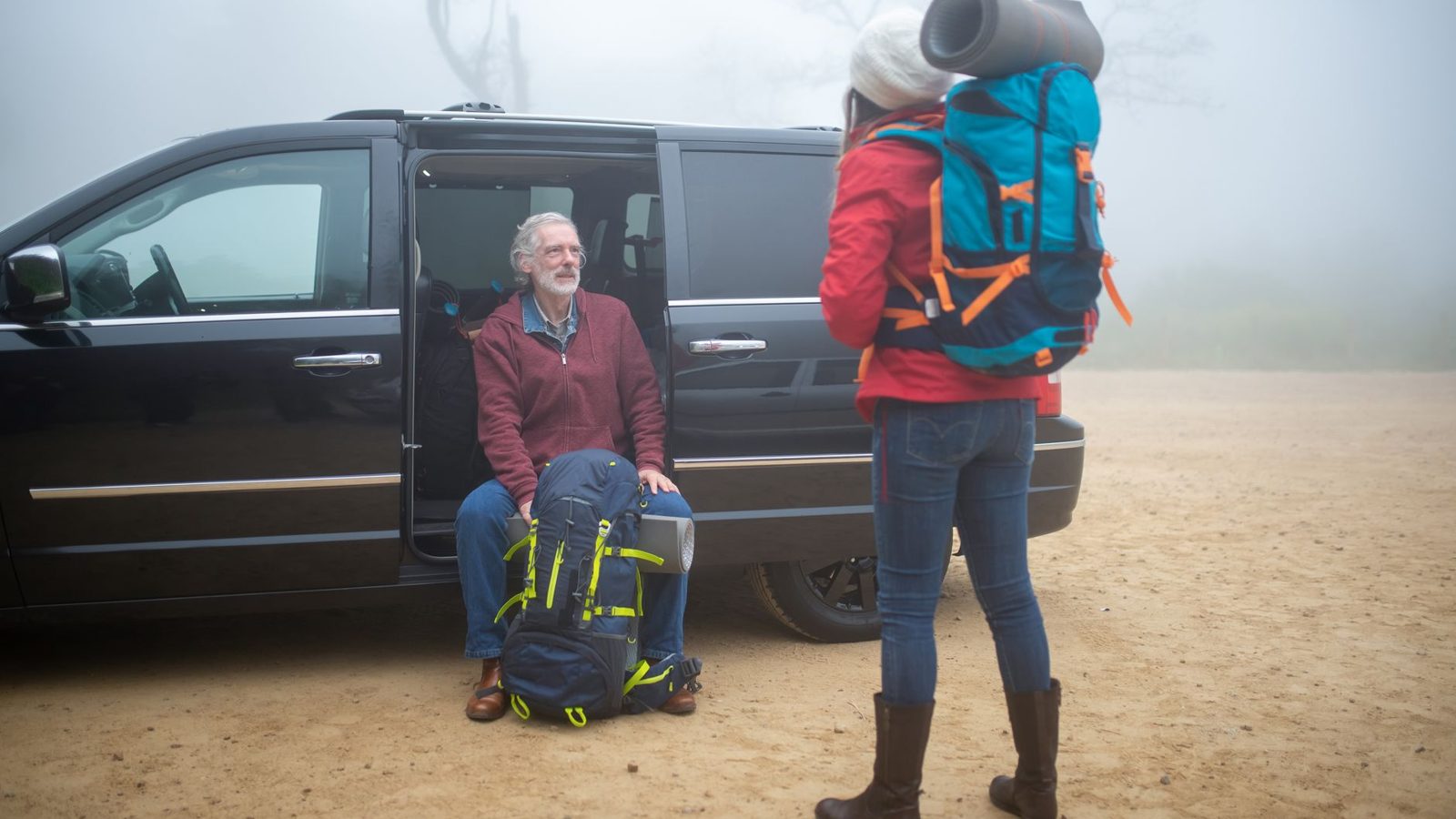 Photo: Kampus Production
Gear Differences: Comfort vs. Weight
The gear you pack dictates your experience. In the debate of car camping vs backpacking, the gear is the biggest differentiator.
Shelter and Sleep Systems
In car camping, you prioritize comfort. You can bring a 6-person cabin tent with standing room, thick foam pads, and a sleeping bag rated for 0 degrees Fahrenheit because weight doesn’t matter. You might even bring a cot.
In backpacking, volume and weight are king. A backpacking tent is designed to hold two people but might weigh only 3 pounds. It is tight, low to the ground, and often requires staking out carefully. Your sleeping bag will be a high-loft down or synthetic fill that compresses small, but it will be thinner than a car camping bag. You will likely use a foam pad or an inflatable pad that is much thinner than the air mattress you use in your car.
Cooking and Food Storage
Car camping allows you to bring a full propane camp stove, a cast-iron skillet, and a large cooler filled with fresh meat and vegetables. You can cook elaborate meals.
Backpacking requires a canister stove that fits in your palm and a titanium pot. Food must be dehydrated or lightweight. You cannot bring a cooler; instead, you rely on bear canisters or bear bags to protect your food from wildlife. This changes your meal planning significantly. You are eating calorie-dense, lightweight meals rather than fresh produce.
Clothing and Extras
Car camping allows for “camp clothes.” You can bring extra shoes, heavy sweaters, and even a change of clothes for every day. Backpacking requires a “wear and wash” system. You wear the same clothes until they get too dirty, then wash them in a stream. You cannot bring extra shoes; you wear your hiking boots the whole time.
Fitness Requirements and Physical Demand
One of the biggest barriers to entry for new outdoor enthusiasts is the fear of physical exertion. This is where car camping vs backpacking diverges sharply.
Car Camping Fitness Level
The fitness requirement for car camping is low. You need to be able to walk from your car to your tent site, which is usually less than 100 yards. You need enough mobility to set up a tent and carry a cooler. If you can walk around your neighborhood, you can car camp. It is accessible to children, seniors, and people with varying mobility levels.
Backpacking Fitness Level
Backpacking requires a baseline level of cardiovascular fitness and strength. You are carrying 20 to 40 pounds on your back for miles. A typical day might involve hiking 5 to 10 miles with significant elevation gain.
- Training: If you choose backpacking, you should train beforehand. Start with day hikes carrying a weighted pack.
- Injury Risk: The risk of blisters, sprains, and overuse injuries is higher in backpacking due to the load and terrain.
If you are just starting your fitness journey, car camping is the perfect way to get outside without the pressure of a strenuous hike. If you are already active and looking for a challenge, backpacking offers a workout that doubles as your vacation.
Campsite Types and Amenities
Where you sleep changes the vibe of the trip.
Car Camping Sites
These are developed campgrounds. They often have:
- Fire rings and grills.
- Picnic tables.
- Potable water spigots.
- Restrooms (vault toilets or flush).
- Sometimes showers and Wi-Fi.
- Designated parking spots right next to the site.
These sites are great for families with young children or groups of friends who want to socialize. However, they can be noisy. You might hear neighbors talking, cars arriving late at night, or generators running.
Backpacking Sites
Backcountry sites are primitive. They are often just a flat patch of dirt away from water sources.
- Amenities: None. You bring your own water (or filter it).
- Toilets: Usually a “cat hole” dug 6-8 inches deep, 200 feet from water.
- Noise: Silence. The only sounds are nature.
- Privacy: High. You are often miles from the nearest neighbor.
For the budget camper, the lack of amenities in backpacking means you have to be more self-reliant. You need a water filter, a trowel for waste, and a headlamp. But the reward is solitude that you simply cannot find in a crowded campground.
Food Options and Meal Planning
Food is fuel, but it is also enjoyment. The logistics of feeding yourself differ greatly between the two styles.
Car Camping Meals
You can cook anything. Burgers, hot dogs, pasta, fresh salads. You can bring a coffee maker and a French press. Because you have a cooler, you can store perishables for 3-5 days. Meal prep is similar to cooking at home, just outside.
Backpacking Meals
You need calorie density. You want high energy per ounce.
- Breakfast: Oatmeal packets, instant coffee.
- Lunch: Tortillas, peanut butter, jerky, cheese (hard cheese lasts longer).
- Dinner: Freeze-dried meals (just add hot water) or dehydrated home-cooked meals.
- Snacks: Trail mix, energy bars, chocolate.
Backpacking food can be expensive if you buy pre-packaged freeze-dried meals. A budget backpacker often cooks their own dehydrated meals at home to save money. This requires planning but significantly reduces the cost per meal compared to buying $15 backpacking meals at a store.
Pros and Cons Comparison
To make your decision easier, here is a direct comparison of the pros and cons for each style.
Car Camping Pros and Cons
| Pros | Cons |
|---|---|
| Low Gear Cost: Heavy gear is cheaper and durable. | Campsite Fees: Can be expensive per night. |
| High Comfort: Bring real beds, chairs, and coolers. | Crowds: Can be noisy and lack privacy. |
| Easy Access: Great for families and pets. | Limited Location: You are stuck where the road goes. |
| Flexible Food: Cook fresh meals with a cooler. | Less Adventure: Less immersion in the wild. |
| Low Fitness: Minimal physical exertion required. | Traffic: You have to drive to get there. |
Backpacking Pros and Cons
| Pros | Cons |
|---|---|
| Low Site Fees: Often free or very cheap permits. | High Gear Cost: Lightweight gear is expensive. |
| Solitude: Deep connection with nature. | High Fitness: Requires training and endurance. |
| Access: Reach remote areas cars can’t go. | Heavy Load: Carrying 30+ lbs on your back. |
| Skill Building: Learn navigation and survival. | Complex Food: Requires planning and dehydrating. |
| No Noise: True silence and darkness. | Weather Risk: More exposed to elements. |
Decision Flowchart: Which Should You Choose?
Not sure where to start? Follow this simple logic path to determine your next trip style.
- Do you want to sleep in a tent but have a shower nearby?
- Yes: Go Car Camping.
- No: Continue to 2.
- Is your primary goal to save money on gear right now?
- Yes: Go Car Camping.
- No: Continue to 3.
- Are you physically fit enough to hike 5 miles with a 30lb pack?
- Yes: Go Backpacking.
- No: Go Car Camping (and train for next time).
- Do you want to cook fresh burgers and hot dogs?
- Yes: Go Car Camping.
- No: Go Backpacking.
- Do you want to avoid crowds and find silence?
- Yes: Go Backpacking.
- No: Go Car Camping.
If you find yourself answering “Yes” to the backpacking questions but are intimidated by the cost, consider a hybrid approach. Drive to a trailhead, hike a short distance (1-2 miles) to a secluded spot, and camp there. This gives you the solitude of backpacking with the safety net of your car being close by.
Frequently Asked Questions
Here are the most common questions beginners ask when comparing these two styles.
1. Can I do both on the same trip?
Absolutely. Many people practice “car camping” by driving to a trailhead and doing a short overnight hike. This is often called “frontcountry backpacking.” It allows you to test your gear without committing to a multi-day trek.
2. Is backpacking safer than car camping?
Statistically, car camping is safer because help is closer. In backpacking, you are responsible for your own safety. If you get injured, you have to hike out or call for help. However, car camping has risks like wildlife (bears in campgrounds) and weather exposure. Proper preparation makes both safe.
3. What about dogs? Which is better for pets?
Car camping is generally better for dogs. They can sleep in the tent with you, and you can bring their regular food and water. In backpacking, dogs add weight to your pack (or their own pack), and they need to be trained to handle long distances and wildlife encounters.
4. How do I choose the right tent for car camping vs backpacking?
For car camping, look for “family” or “cabin” tents. They are heavy but spacious. For backpacking, look for “ultralight” or “2-person” tents. Check the “packed weight” on the label. If it weighs more than 5 pounds, it might be too heavy for a beginner backpacker.
5. Is the gear for car camping vs backpacking interchangeable?
Sometimes. A lightweight backpacking tent can be used for car camping, but it might feel cramped. A heavy car camping tent can be used for backpacking, but it will be a struggle to carry. It is best to buy gear specific to your primary style to avoid frustration.
Conclusion
Choosing between car camping vs backpacking ultimately depends on what you want out of your time in the wild. If you value comfort, ease, and family fun, car camping is the clear winner. It is the gateway drug to the outdoors, offering a low barrier to entry and high comfort rewards.
On the other hand, if you seek solitude, physical challenge, and a deeper connection with nature, backpacking is the path to take. While the initial gear cost is higher, the freedom to go anywhere and the savings on campsite fees make it a viable long-term budget option.
You don’t have to pick just one forever. Many seasoned campers enjoy both. They car camp in the summer with the family and backpack in the fall for solitude. Start with what fits your current budget and fitness level. Whether you are driving your car to a campsite or hiking miles into the backcountry, the most important thing is simply to get out there. The mountains and forests are waiting for you, regardless of how you get there.