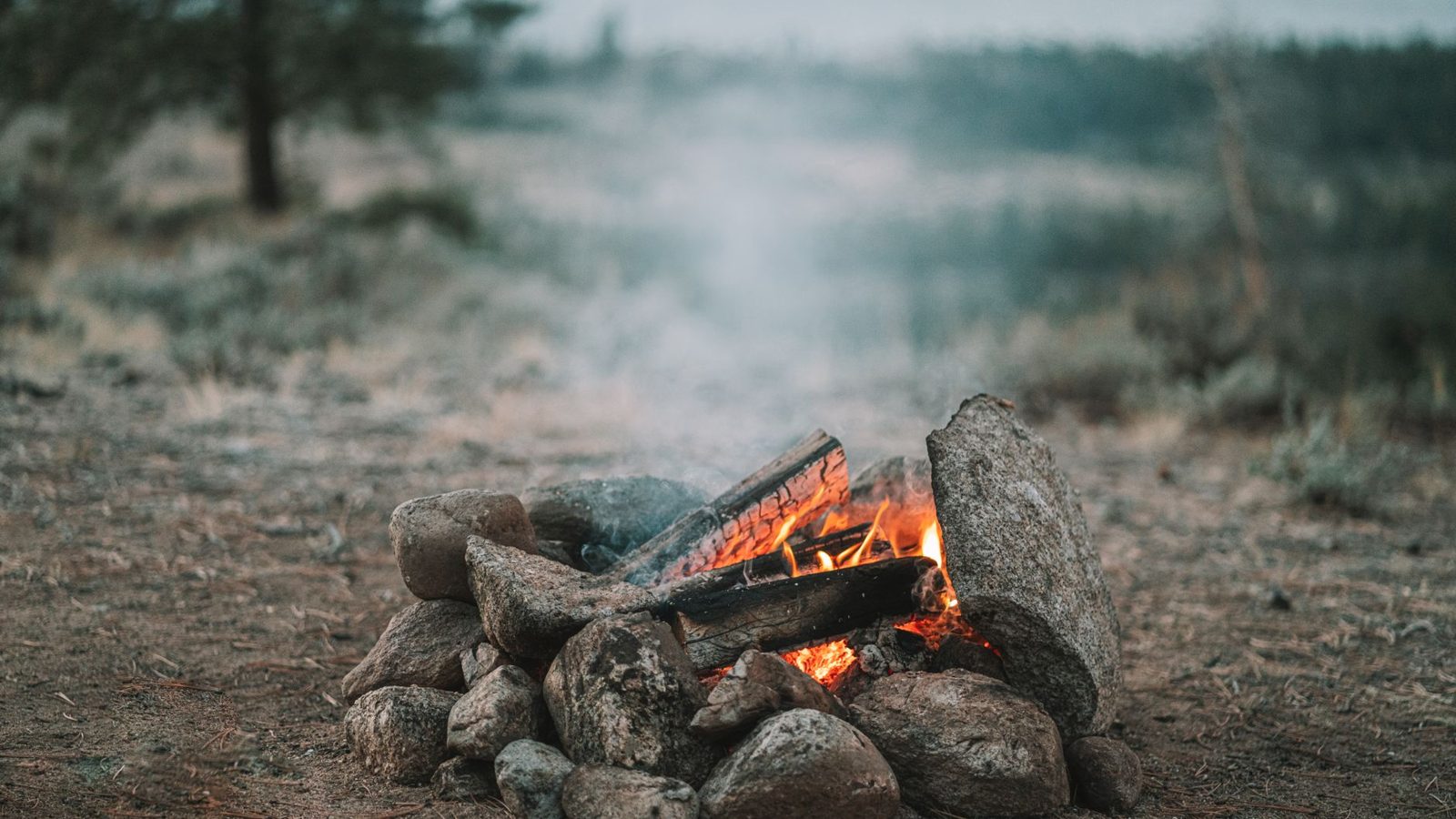
There is a primal magic to the crackle of burning wood. It draws people together, provides warmth against the chill of the night, and offers a perfect surface for cooking a hearty meal. For many, the camping experience isn’t complete without the glow of a fire. However, for beginners, the prospect of starting one can feel daunting. Where do you start? What wood do you use? Most importantly, how do you ensure it doesn’t get out of control?
Learning how to build a campfire is one of the most essential skills in the outdoor toolkit. It requires patience, preparation, and a deep respect for the elements. This tutorial is designed to take you from a nervous novice to a confident fire-maker, ensuring that your time around the flames is safe, sustainable, and memorable.
The Golden Rules of Campfire Safety
Before you even think about striking a match, you need to understand the environment you are working in. Fire is a tool, but like any tool, it demands respect. Safety should always be your top priority.
Check Local Regulations
The first step in learning how to build a campfire is checking the rules. Fire bans are common during dry seasons or in drought-prone areas. Always check with the local ranger station, park office, or campground host before you arrive. Some areas require a permit, while others may have a total ban on open flames, allowing only gas stoves.
The Weather Watch
Wind is the enemy of the controlled fire. If winds are gusting above 15 miles per hour, a small spark can travel far enough to ignite dry grass or leaves well outside your fire ring. Check the forecast. If it is windy, consider building a windbreak using rocks or logs, but be careful not to trap heat too tightly, which can cause the fire to flare unpredictably.
The Safety Perimeter
Never leave a fire unattended. Even if you are just stepping away to grab a marshmallow, someone should be watching the flames. Keep a bucket of water, a shovel, and a fire extinguisher within arm’s reach. This is non-negotiable.
 Photo: 🇻🇳🇻🇳Nguyễn Tiến Thịnh 🇻🇳🇻🇳
Choosing the Perfect Campfire Site
Site selection is arguably more important than the wood you gather. A bad location can lead to a difficult cleanup or, worse, a wildfire.
Distance Matters
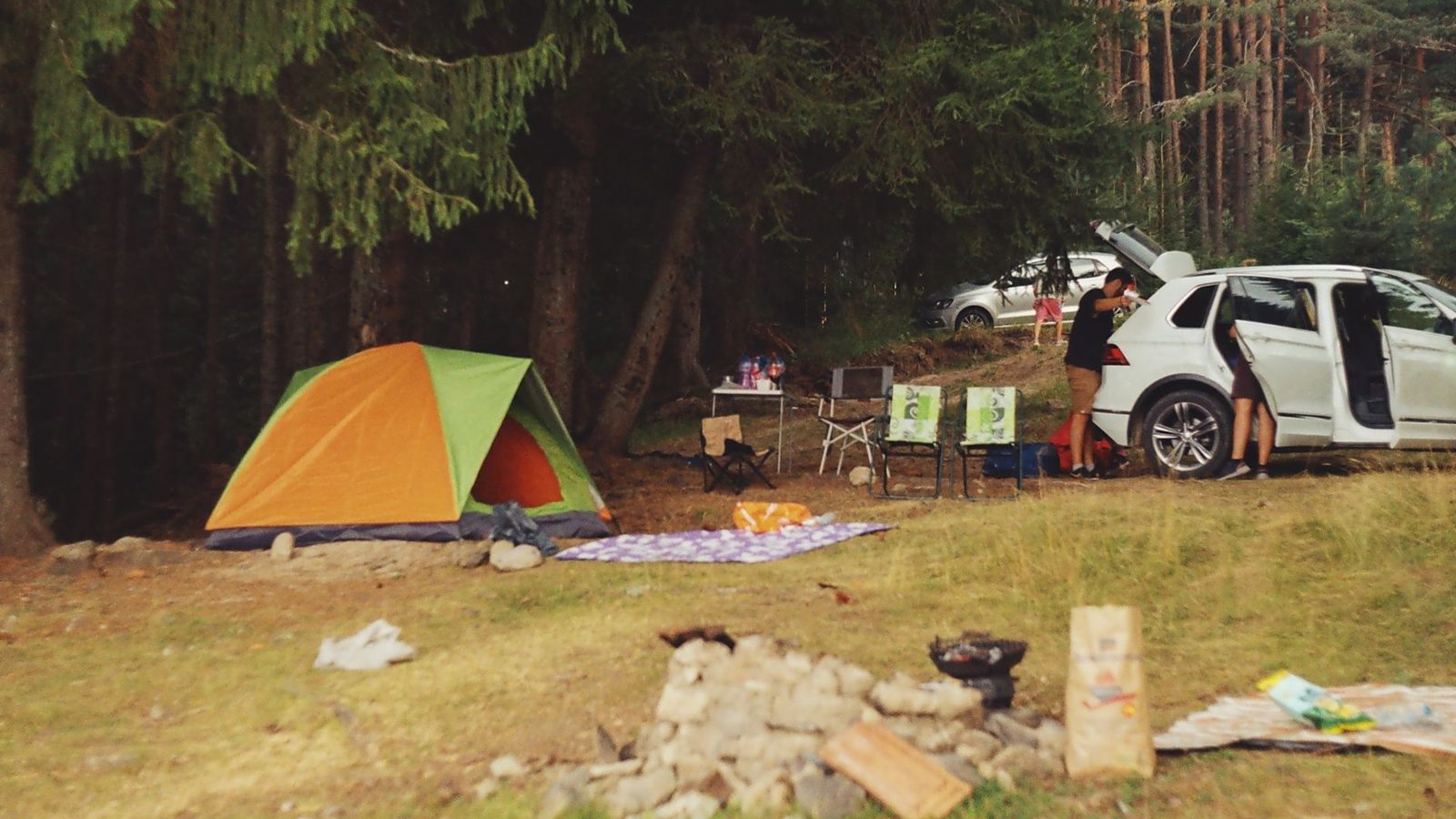
Ideally, your fire should be at least 15 feet away from your tent, sleeping bags, and any flammable gear. This distance provides a buffer zone for sparks and radiant heat. If you are in a designated campground, use the existing fire ring. If you are backcountry camping and need to build a new site, look for a spot on mineral soil (sand, dirt, or gravel) rather than grass or duff, which burns easily.
Overhead Clearance
Look up. You need a clear canopy. Avoid building a fire directly under low-hanging branches. Heat rises, and dry branches can ignite from the heat alone, even without a direct flame. A good rule of thumb is to ensure there are no branches within 10 feet vertically above the fire pit.
The Fire Ring
If you are building a new fire ring, use rocks to create a circle about 3 to 4 feet in diameter. This contains the embers and makes cleanup easier. However, be mindful of “fire scars.” If you are in a pristine wilderness area, try to use an existing ring to minimize your impact on the landscape.
 Photo: Renzo Tirado
Gathering Your Materials: The Three Tiers
To understand how to build a campfire, you must understand the fuel hierarchy. A fire needs three things to burn: heat, fuel, and oxygen. We manage this by organizing our fuel into three specific categories based on size.
1. Tinder
Tinder is the material that catches the initial spark. It needs to be dry, fluffy, and highly combustible.
- Examples: Dry grass, birch bark, pine needles, cotton balls soaked in petroleum jelly, or commercial fire starters.
- Preparation: Gather a handful of tinder. It should be the size of a baseball. If you are using natural materials, ensure they are bone dry. If they feel damp, they won’t catch.
2. Kindling
Kindling bridges the gap between the fragile tinder and the heavy logs. These are small sticks, usually no thicker than a pencil.
- Examples: Twigs, small branches, split wood shavings.
- Preparation: Collect a bundle of kindling. You will need more of this than you think. If the kindling is green or damp, the fire will struggle to grow. Look for “dead and down” wood—branches that have fallen naturally rather than being cut from a living tree.
3. Fuel Wood
This is the main event. These are the logs that will sustain the fire for hours.
- Examples: Logs ranging from the thickness of your wrist to your forearm.
- Preparation: Stack these nearby but not too close to the fire ring to prevent accidental ignition. Split larger logs to expose the dry interior.
Building the Fire: Three Essential Structures
There is no single way to build a fire. Different structures serve different purposes. Here are the three most common methods for beginners.
The Teepee Fire
The teepee is the most common structure for starting a fire. It allows for excellent airflow, which helps the fire catch quickly.
- Prepare the Tinder: Place your tinder bundle in the center of the fire ring.
- Add Kindling: Lean your kindling sticks against each other over the tinder, forming a cone shape like a teepee. Leave a small opening on the windward side to light the tinder.
- Add Fuel: Once the fire is established, add larger logs around the outside of the cone, maintaining the shape.
- Best For: Quick heat, cooking, and boiling water.
The Log Cabin Fire
This structure is designed to create a bed of coals that lasts longer. It is more stable than a teepee.
- Base Layer: Place two larger pieces of fuel wood parallel to each other on the ground.
- Kindling Layer: Place kindling on top of the base logs in a perpendicular direction.
- Repeat: Add another layer of fuel wood on top of the kindling, perpendicular again. Continue building up like a cabin.
- Light: Light the tinder placed in the center. The fire will burn down through the layers.
- Best For: Long-lasting fires, overnight warmth, and roasting.
The Star Fire
The star fire is excellent for conservation. It uses less wood and produces less smoke.
- Center: Place your tinder and kindling in the center and light it.
- Radiate: Push the ends of your fuel logs into the fire, radiating outward like the points of a star.
- Adjust: As the ends burn down, push the logs further into the center.
- Best For: Minimalist camping, preserving wood, and low-smoke cooking.
Lighting the Fire
Once your structure is built, it is time to ignite. While modern lighters are convenient, it is wise to carry a backup.
Tools for Ignition
- Bic Lighter: Reliable and wind-resistant.
- Ferrocerium Rod (Fire Steel): Creates sparks that work even when wet. Requires practice to use effectively.
- Matches: Waterproof matches are best. Strike them away from the wind.
- Fire Starter Cubes: Wax or paraffin cubes that burn for several minutes, giving you ample time to build the flame.
The Lighting Process
- Position: Crouch down to shield the flame from the wind.
- Ignite: Light the tinder at the opening you left in your structure.
- Feed: As the tinder catches, gently add more kindling. Do not smother the flame. Let the fire breathe.
- Grow: Once the kindling is burning steadily, add your fuel logs.
Cooking on a Campfire
One of the joys of camping is cooking over an open flame. However, cooking directly over flames can burn food quickly.
Coals vs. Flames
For cooking, you want coals, not flames. Flames are erratic and hot; coals provide consistent, radiant heat.
- Wait: Let your fire burn down until the wood turns to ash and you see glowing embers.
- Spread: Spread the coals out to create an even cooking surface.
- Grates: Use a metal grate over the fire ring to hold pots and pans. Ensure the grate is stable.
Cast Iron Safety
Cast iron is the gold standard for campfire cooking. It retains heat well. However, never place a cold cast iron skillet directly into a roaring fire. Heat it gradually to prevent cracking. Always use a trivet or stand to keep the pan off the direct embers if you are simmering.
Food Safety
Keep raw meat separate from cooked food. Use separate utensils. Cook meat thoroughly to kill bacteria, which is crucial when you don’t have a refrigerator nearby.
Extinguishing the Fire Properly
The most critical part of learning how to build a campfire is knowing how to end it. A fire that is “out” to the eye might still be hot enough to start a wildfire hours later.
The Drown and Stir Method
- Stop Feeding: Stop adding wood about 30 minutes before you plan to go to sleep or leave. Let the fire burn down to coals.
- Drown: Pour water over the fire. Do not just splash the top. Pour water over the coals, the edges, and the surrounding area. You should hear a hissing sound.
- Stir: Use a shovel or stick to stir the ashes and coals. Break up any large chunks of wood. This exposes the hot interior to the water.
- Repeat: Add more water and stir again.
- Feel: This is the most important step. Carefully place your hand near the ashes (not touching yet). If you feel heat, it is not out. Repeat the process until the ashes are cold to the touch.
- Check: If you can touch the ashes with your bare hand without discomfort, the fire is truly out.
Disposal
Once cold, you can scatter the ashes in a wide area away from the campsite, or pack them out if you are in a sensitive area. Return any rocks to their original position to restore the natural look of the site.
Troubleshooting Common Issues
Even experienced campers face challenges. Here is how to handle common problems.
The Fire Won’t Catch
- Cause: Damp wood or poor airflow.
- Fix: Add more tinder. Ensure your structure allows air to flow through the center. If wood is damp, split it to find the dry interior.
The Fire Burns Too Fast
- Cause: Too much oxygen or dry wood.
- Fix: Use the Star Fire method. Add larger, denser logs (like oak or hickory) which burn slower than softwoods like pine.
Too Much Smoke
- Cause: Green wood or wet wood.
- Fix: Switch to dry, seasoned wood. Smoke indicates incomplete combustion. Ensure the fire has enough oxygen by not packing the logs too tightly.
Wind Blows the Fire Out
- Cause: High gusts.
- Fix: Build a windbreak using rocks or logs on the windward side. Lower your teepee structure to be more compact.
Leave No Trace Principles for Fire
To ensure that future campers can enjoy the same experience, adhere to the Leave No Trace (LNT) principles regarding fire.
- Minimize Impact: Use established fire rings.
- Pack It In, Pack It Out: If you bring a portable fire pit, take it with you.
- Scatter Ashes: Don’t leave a pile of blackened rocks.
- Check Bans: Respect the land by knowing when fire is allowed.
Conclusion
Mastering how to build a campfire is a journey of trial and error. Your first fire might be smoky and small, but your tenth will be a roaring beacon of warmth. The key is preparation. Gather your materials before you light the match, respect the wind, and never leave the fire until it is cold to the touch.
When done correctly, a campfire is more than just a heat source. It is the heart of the campsite, a place for storytelling, reflection, and connection with nature. By following these safety rules and techniques, you ensure that the magic of the fire remains a gift to the land, rather than a burden. So, gather your wood, check the wind, and enjoy the flame.
Frequently Asked Questions (FAQ)
1. What is the best wood for a campfire?
Hardwoods like oak, maple, and hickory burn longer and produce more heat. Softwoods like pine and cedar catch fire easily but burn quickly and produce more sparks. A combination is often best: softwood for starting, hardwood for sustaining.
2. Can I use driftwood for a campfire?
Driftwood can be used, but be cautious. It often contains salt, which can corrode metal grates and produce a harsh smoke. It is best used for kindling rather than main fuel.
3. How far should a campfire be from a tent?
Ideally, at least 15 feet. This distance reduces the risk of sparks igniting the tent fabric and minimizes the heat radiating into your sleeping area, which can wake you up.
4. What do I do if my fire gets out of control?
Stay calm. Use your water bucket to douse the base of the flames. If it spreads to grass, use a shovel to dig a trench around the fire to stop the spread. If it is too big to handle, evacuate and call emergency services.
5. Is it okay to leave a fire pit for the next camper?
Yes, but clean it. Remove large unburnt logs and scatter the cold ashes. This makes the site welcoming for the next group and reduces the “fire scar” on the landscape.
6. How do I start a fire in the rain?
Find shelter under a tarp or rock overhang. Use dry tinder stored in a waterproof bag. Fire starters (wax cubes) are essential here. Build the structure tight to protect the flame from the rain until it is established.
7. Can I cook directly on the coals?
Yes, but use a grill grate or a cast iron skillet. Cooking directly on coals can impart a sooty flavor to the food and makes cleaning difficult.
8. How much wood do I need for a night?
This depends on the temperature and the size of the fire. A good rule of thumb is to gather twice as much wood as you think you will need. It is better to have extra than to shiver in the dark.
9. What is the “cold to the touch” rule?
It means the ashes should be cool enough that you can place your bare hand on them without feeling heat. If it feels warm, it is still hot enough to ignite dry leaves.
10. Are fire pits better than open pits?
Portable fire pits contain the fire better and are easier to clean up. However, they can get very hot and damage the ground underneath. Always use a heat-resistant mat or place them on mineral soil.