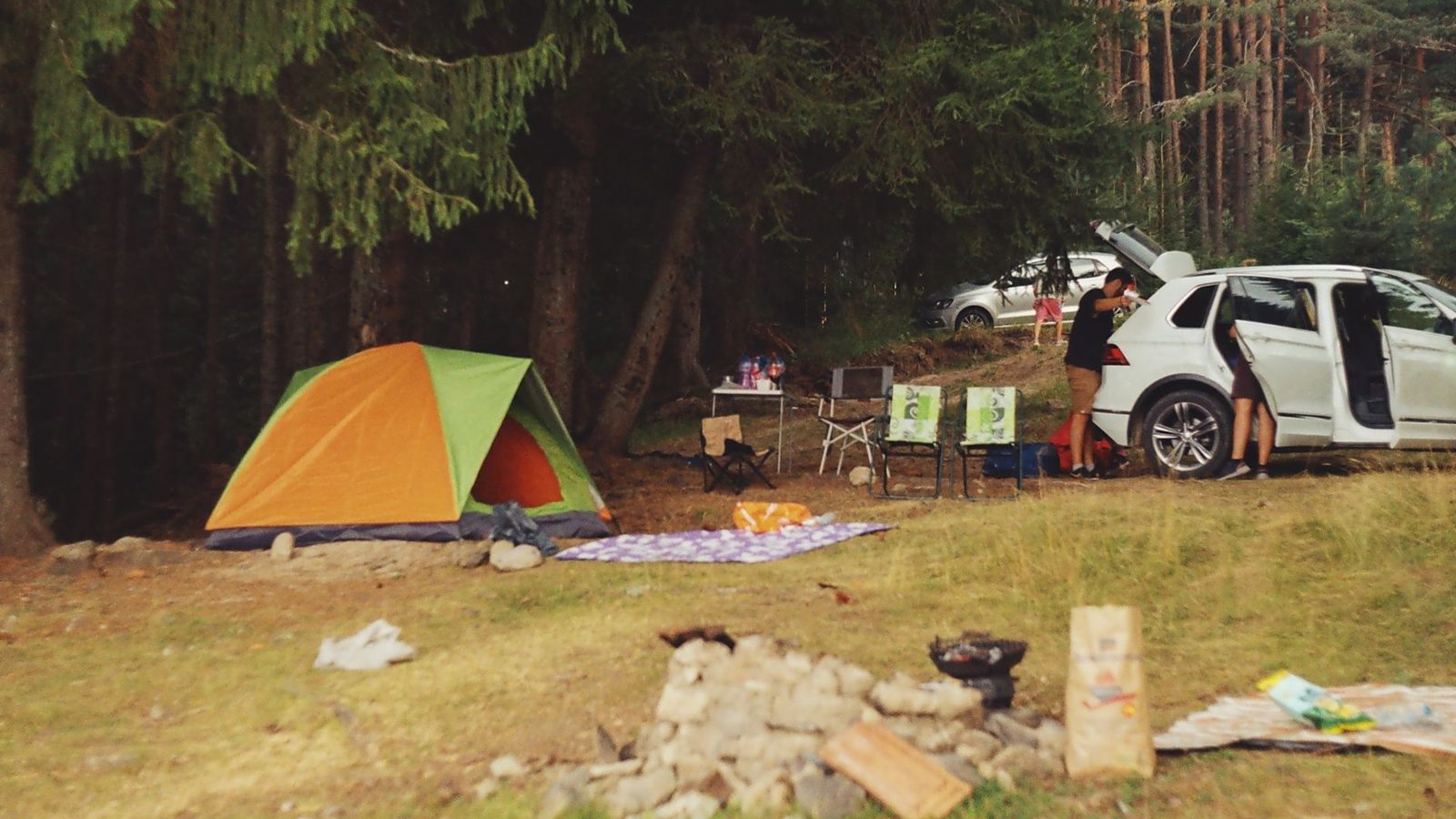
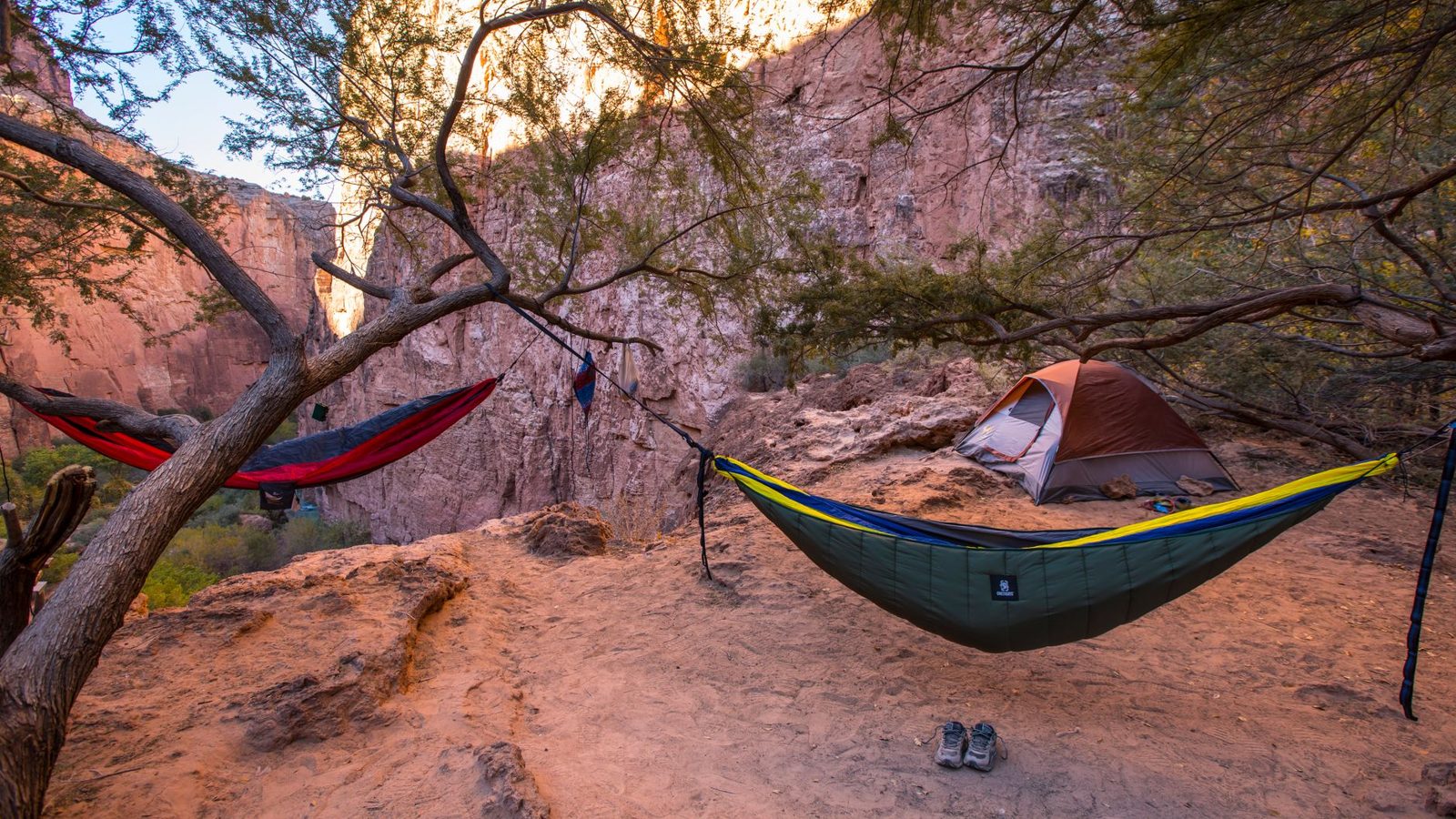
The debate over tent vs hammock camping is one of the most enduring discussions in the outdoor community. For decades, the canvas tent was the undisputed king of the backcountry, offering a reliable shelter from the elements. However, in recent years, the hammock has surged in popularity, promising a more ergonomic sleep and a lighter footprint on the trail. Choosing between these two sleep systems is not merely a matter of preference; it is a decision that impacts your pack weight, your comfort level, your budget, and even the specific terrain you can explore. Whether you are a weekend warrior looking for a quick escape or a thru-hiker counting every ounce, understanding the nuances of each system is crucial for a successful trip. This guide will dissect the pros and cons of both methods, helping you determine which sleep system aligns best with your outdoor lifestyle.
Our Budget Picks
If you just want to know what to buy, here’s where I’d put the money for a first setup.
- Easy 10-minute setup
- Reliable rainfly
- Hard to beat for the price
- A little heavy to carry far
- Snug with two people plus gear
- Very affordable
- Packs down tiny
- Genuinely fun in summer
- Needs a tarp and underquilt to stay warm and dry
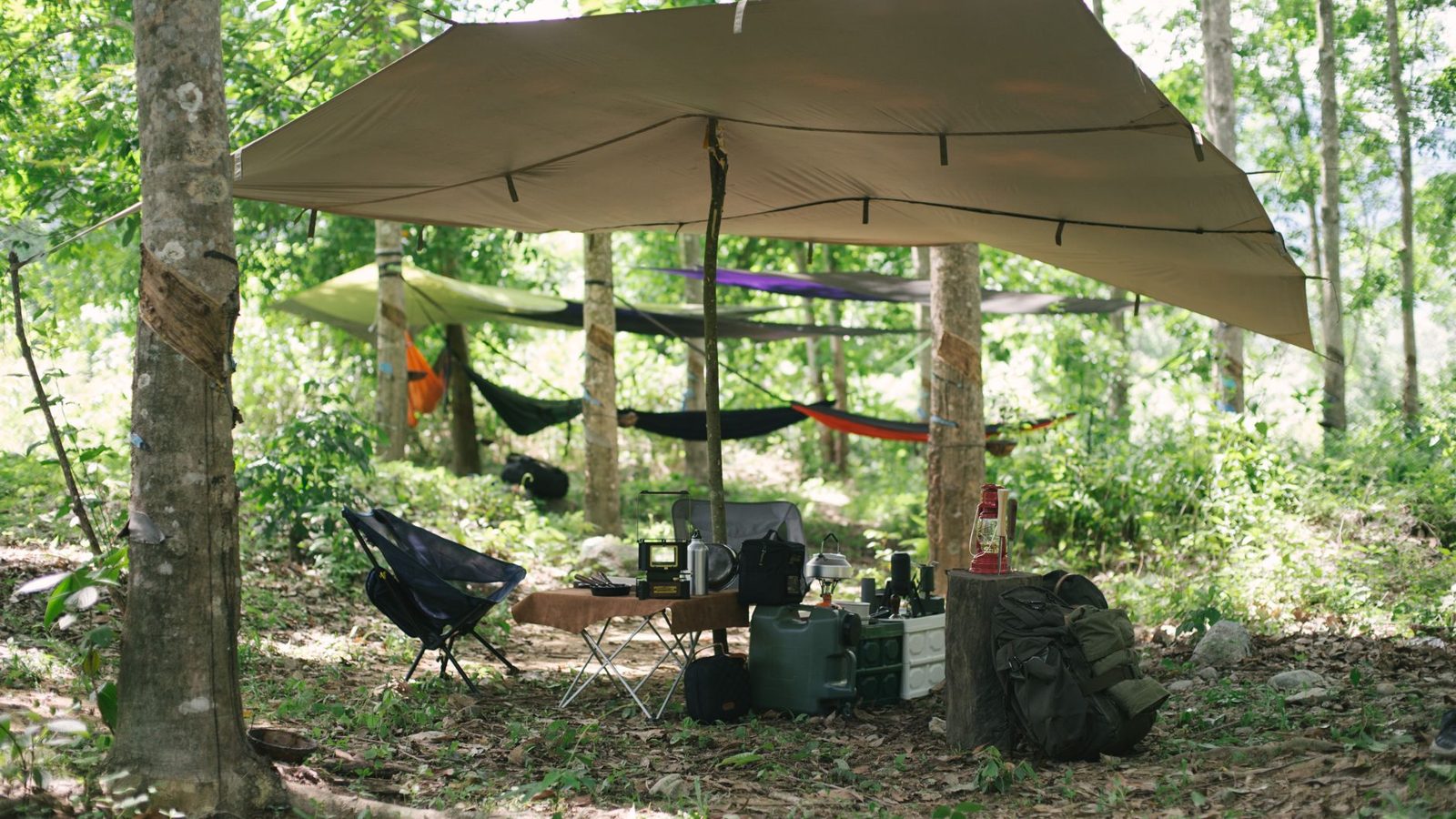 Photo: Dương Nhân
The Environmental and Terrain Implications of Tent vs Hammock Camping
The first major differentiator between these two systems is the terrain they require. A tent is a ground-based system. It requires a flat, relatively clear patch of earth free from large rocks, roots, and debris. While modern tents can handle uneven ground with the help of sleeping pads, the fundamental requirement is a solid footprint. This makes tents incredibly versatile in environments where trees are scarce, such as alpine tundra, desert landscapes, or open grasslands. If you are hiking above the tree line or traversing a rocky scree slope, a tent is often your only viable option.
Conversely, a hammock system is entirely dependent on the presence of suitable anchor points. To set up a hammock, you need two sturdy trees (or posts) spaced roughly 10 to 15 feet apart. This limitation significantly narrows the viable terrain for hammock camping. If you are in a dense forest, hammocks are often superior because they allow you to camp on slopes where a tent would require extensive clearing. However, in a desert or a high-altitude meadow, the lack of trees can render a hammock useless unless you carry a specialized stand, which adds significant weight and bulk.
When considering the environmental impact, both systems have their proponents and critics. Tents can damage the ground vegetation if campers repeatedly set up in the same spot, leading to soil compaction and loss of plant life. This is why “Leave No Trace” principles emphasize rotating campsites. Hammocks, on the other hand, have zero ground impact because they float above the earth. However, they do impact the trees. Without proper protection, the suspension straps can girdle and damage the bark of the trees. To mitigate this, modern hammockers use wide, tree-friendly straps that distribute the weight over a larger surface area. In areas with fragile ecosystems or where trees are scarce, tent camping might actually be the more sustainable choice to preserve the limited tree population for future campers.
 Photo: Gin
Comfort and Ergonomics: The Sleep Experience
For many, the decision comes down to how well they sleep. Traditional camping in a tent involves lying flat on the ground. Even with high-quality sleeping pads, the ground is hard, and the body must conform to the terrain. This can lead to pressure points on the hips, shoulders, and knees, particularly for side sleepers. Over the course of a multi-day hike, this discomfort can accumulate, leading to fatigue and poor recovery.
Hammocks offer a different ergonomic profile. When set up correctly, a hammock allows the sleeper to lie diagonally across the fabric. This creates a flatter sleeping surface that supports the natural curvature of the spine. Many users report that hammocks alleviate back pain and reduce pressure points significantly compared to sleeping on the ground. The sensation is often described as “zero gravity,” which can promote deeper, more restorative sleep. Additionally, the gentle rocking motion of a hammock can be soothing, helping campers fall asleep faster.
However, comfort is subjective. Some campers find the curved position of a hammock restrictive, especially if they are used to rolling over freely in a tent. In a tent, you have the freedom to move around, sit up easily, and store gear within arm’s reach. In a hammock, your movement is confined to the length of the fabric. Getting in and out of a hammock requires a specific technique that can be tricky in the dark or during bad weather. Furthermore, if you are a stomach sleeper, a hammock can be challenging, as the fabric naturally pushes your spine into a curve. While there are techniques to mitigate this, the tent remains the more versatile option for those who change sleeping positions frequently throughout the night.
Mastering Weather Protection in Tent vs Hammock Camping
Weather protection is perhaps the most critical safety factor in backcountry camping. A tent is a self-contained shelter. It comes with a rainfly and a floor, creating a sealed environment that protects you from rain, wind, and ground moisture. Modern tents are engineered to withstand high winds and heavy precipitation. When you are inside a tent, you are generally dry and shielded from the elements, regardless of what is happening outside. The floor also provides a barrier against cold ground and crawling insects.
Hammock camping requires a more modular approach to weather protection. A hammock alone is just a piece of fabric; it needs a tarp or a “bug bivy” to protect against rain and insects. Setting up a tarp requires more skill and time than simply pitching a tent. You must ensure the tarp is pitched at the correct angle to shed water effectively and that the ridgeline is tight enough to prevent sagging. In high winds, a hammock can be more stable than a tent because it has a lower profile and no rigid poles to catch the wind. However, if the tarp setup is not secure, water can drip onto the sleeper, or wind can blow through the open sides.
Condensation is another factor to consider. Tents, especially single-wall tents, can suffer from significant condensation buildup, leaving the interior damp. Hammocks generally have better airflow, which reduces condensation issues. However, because the air circulates underneath the hammock, the sleeper is more exposed to the ambient temperature. In a storm, a tent offers a psychological sense of security that a tarp cannot always match. You can sit up in a tent and cook a meal (with ventilation) or organize gear without worrying about the rain. In a hammock, you are often confined to lying down or sitting on the edge, which can feel more exposed during a prolonged downpour.
The Insulation Equation: Staying Warm in the Cold
One of the most common misconceptions about hammock camping is that it is inherently warmer or cooler than tent camping. In reality, insulation works differently in both systems. In a tent, you use a sleeping pad with a specific R-value to insulate yourself from the cold ground. The air trapped inside the tent also helps retain body heat. In a hammock, the challenge is the “chimney effect.” When you lie in a hammock, your body weight compresses the insulation (like a sleeping pad) underneath you, rendering it useless. Cold air circulates freely beneath you, drawing heat away from your body rapidly.
To stay warm in a hammock, you need an underquilt. An underquilt hangs beneath the hammock and is not compressed by your body weight, maintaining its loft and insulating properties. This is a crucial piece of gear that adds to the cost and complexity of the system. Without an underquilt, even a warm sleeping bag will feel cold because the insulation is flattened. In contrast, a tent sleeper simply needs a sleeping pad with a high enough R-value for the expected temperatures.
In extreme cold, tents often have an advantage because they can be heated slightly by body heat trapped in the enclosed volume. A hammock is more open to the environment, meaning you are fighting the ambient air temperature more directly. However, with the right underquilt and top quilt, a hammock can be just as warm as a tent. The key is understanding the R-value requirements. For winter camping, a tent with a 4-season rating and a high-R-value pad is often more straightforward than managing the insulation layers required for a hammock. For three-season camping, the insulation difference is negligible if the gear is chosen correctly.
Cost Comparison: Budgeting for Your Sleep System
When analyzing tent vs hammock camping from a financial perspective, the initial costs can be misleading. A basic tent can be purchased for under $100, and it is a complete system. You buy the tent, and you are ready to sleep. A hammock, however, is often sold as a standalone piece of fabric. To make it functional, you need straps, a bug net, a tarp, and an underquilt.
For a budget-conscious camper, a tent is often the cheaper entry point. You can find a reliable backpacking tent for $150 to $200 that includes the rainfly and floor. In contrast, a complete hammock setup requires purchasing multiple components. A quality hammock might cost $80, straps $30, a bug net $50, a tarp $60, and an underquilt $100. The total can easily exceed $300 for a basic, functional system. However, as you move up the quality ladder, the price gap narrows. High-end ultralight tents can cost upwards of $600, while high-end hammock gear can also reach similar price points.
It is also worth considering the longevity of the gear. Tents have more moving parts (zippers, poles, seams) that can fail over time. Hammocks are essentially a single piece of fabric with knots, which are incredibly durable and less prone to mechanical failure. If you maintain your gear properly, a hammock can last a lifetime. Additionally, hammock gear is often more compact and lighter, which can save money on other aspects of your gear if you are looking to reduce pack weight for faster travel. Ultimately, while the tent has a lower barrier to entry, the hammock offers a durable, long-term investment for those willing to pay the upfront cost.
Budget Picks for Every Camper
If you are ready to make a purchase, knowing where to start is essential. For tent campers on a budget, the REI Co-op Half Dome SL 2+ is a reliable choice. It offers a balance of weight, durability, and price, suitable for most three-season conditions. For those seeking ultralight options without breaking the bank, the Big Agnes Copper Spur HV UL2 is a premium choice that justifies its cost with weight savings.
For hammock enthusiasts, the ENO (Eagles Nest Outfitters) DoubleNest is the industry standard for entry-level hammocks. It is affordable, durable, and supports two people. To complete the setup, the ENO Atlas Straps are essential for tree protection. For insulation, the Klymit UnderQuilt is a budget-friendly option that provides adequate warmth for most three-season trips. If you need a bug net, the ENO Guardian Bug Net integrates seamlessly with their hammocks. For a tarp, the Hennessy Hammock Hex Tarp offers excellent coverage and ease of setup. These components create a complete system that rivals the comfort of a mid-range tent.
The Hybrid Approach: Why Not Both?
Many experienced campers eventually realize that neither system is perfect for every situation. This has led to the rise of the hybrid approach. Some campers carry a lightweight tent for open terrain and a hammock for forested areas. Others use a “bivy sack” inside a hammock for extra protection. The most common hybrid strategy is to carry a hammock as the primary sleep system but keep a lightweight emergency tarp or bivy in the pack for when trees are unavailable.