There is a specific kind of magic in waking up to the sound of birds instead of an alarm clock. The smell of pine needles, the crackle of a campfire, and the vastness of the night sky are rewards that come with a low price tag. However, before you can enjoy the serenity of the outdoors, you have to deal with the stress of preparation. For many aspiring campers, the question of what to pack for camping feels like a mountain to climb before they even reach the trailhead.
When you are working with a budget, the stakes feel higher. You don’t want to overspend on gear you’ll use once, but you also don’t want to freeze because you skimped on a sleeping bag. The good news is that camping doesn’t require the most expensive equipment to be comfortable and safe. It requires planning, prioritization, and the right information.
This guide is designed to be your definitive resource. We have broken down exactly what to pack for camping into manageable categories, offering practical advice, weight-saving tips, and budget-friendly alternatives for every item on your list. By the end of this article, you will have a clear mental map and a printable summary table to ensure you never leave home without the essentials.
Pre-Trip Planning: The Foundation of a Good Pack
Before you open your closet or head to the store, you need to define the parameters of your trip. The items you pack for a summer weekend at a state park with flush toilets will differ vastly from a week-long backpacking trip in the mountains.
- Check the Weather: A sudden temperature drop can turn a pleasant trip into a survival situation. Check the forecast for both the valley floor and the elevation you will be camping at.
- Know the Rules: Some campgrounds require bear canisters; others allow bear bags. Some allow campfires, while others have fire bans. Knowing this dictates what cooking gear you need.
- Assess Your Group: Are you solo, with a partner, or with kids? Kids require more safety gear and comfort items, while solo campers need to be self-reliant.
Once you have these details, you can tailor the following checklist to your specific needs.
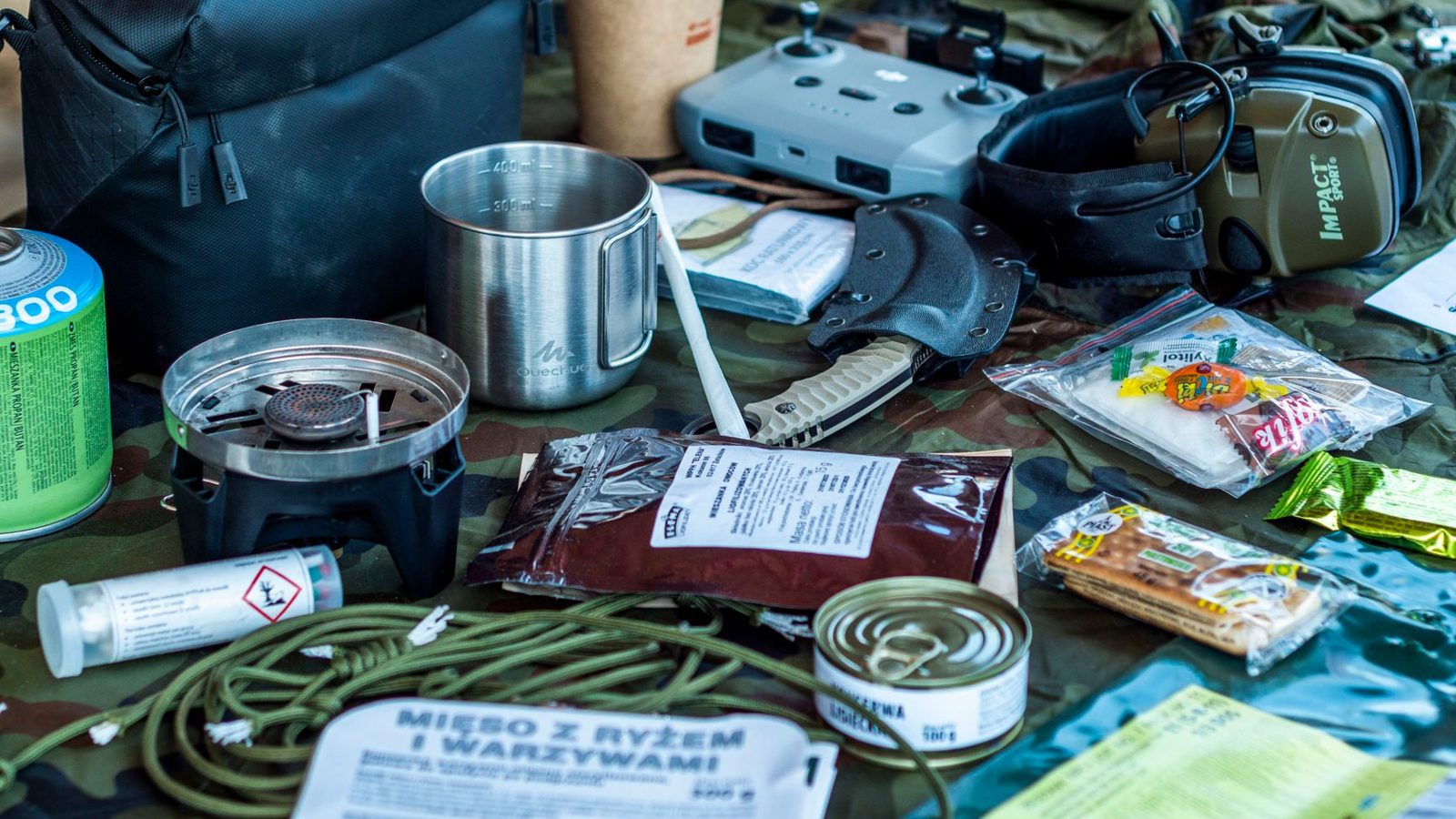 Photo: SHOX ART
Category 1: Shelter and Sleep Systems
Your shelter is your fortress against the elements. It is the most critical part of your gear list. When determining what to pack for camping, this category should be your first priority.
The Tent
You do not need a $500 ultralight tent to survive. For budget camping, look for a 2-person or 4-person dome tent from a reputable mid-range brand.
- What to Pack: Tent body, rainfly, stakes, guylines, and a footprint (or a cheap tarp).
- Budget Alternative: Check local thrift stores or online marketplaces like Facebook Marketplace. Tents are durable; a used tent often works just as well as a new one. Alternatively, use a large tarp and rope to create a lean-to if you are on an extreme budget.
- Weight Tip: Leave the heavy steel stakes at home if you are car camping. Use the included aluminum stakes or repurpose large rocks.
Sleeping Bag
Temperature rating is more important than brand. A 20°F bag is useless in a 40°F night if it’s too bulky, but dangerous if it’s too thin.
- What to Pack: Sleeping bag appropriate for the lowest expected temperature.
- Budget Alternative: Synthetic fill bags are cheaper than down and perform better when wet. Look for “mummy” shapes for warmth, but “rectangular” bags are cheaper and roomier.
- Weight Tip: Compress your bag in a stuff sack, but don’t over-compress it for long periods, or it loses loft.
Sleeping Pad
The ground sucks heat from your body faster than the air does. A sleeping bag alone is often not enough insulation.
- What to Pack: Inflatable pad or closed-cell foam pad.
- Budget Alternative: Closed-cell foam pads (like the classic Z-Lite) are nearly indestructible and cost a fraction of inflatable pads. You can also layer thick blankets or a yoga mat if you are desperate.
- Weight Tip: Foam pads are heavier but never fail. Inflatable pads are lighter but risk punctures.
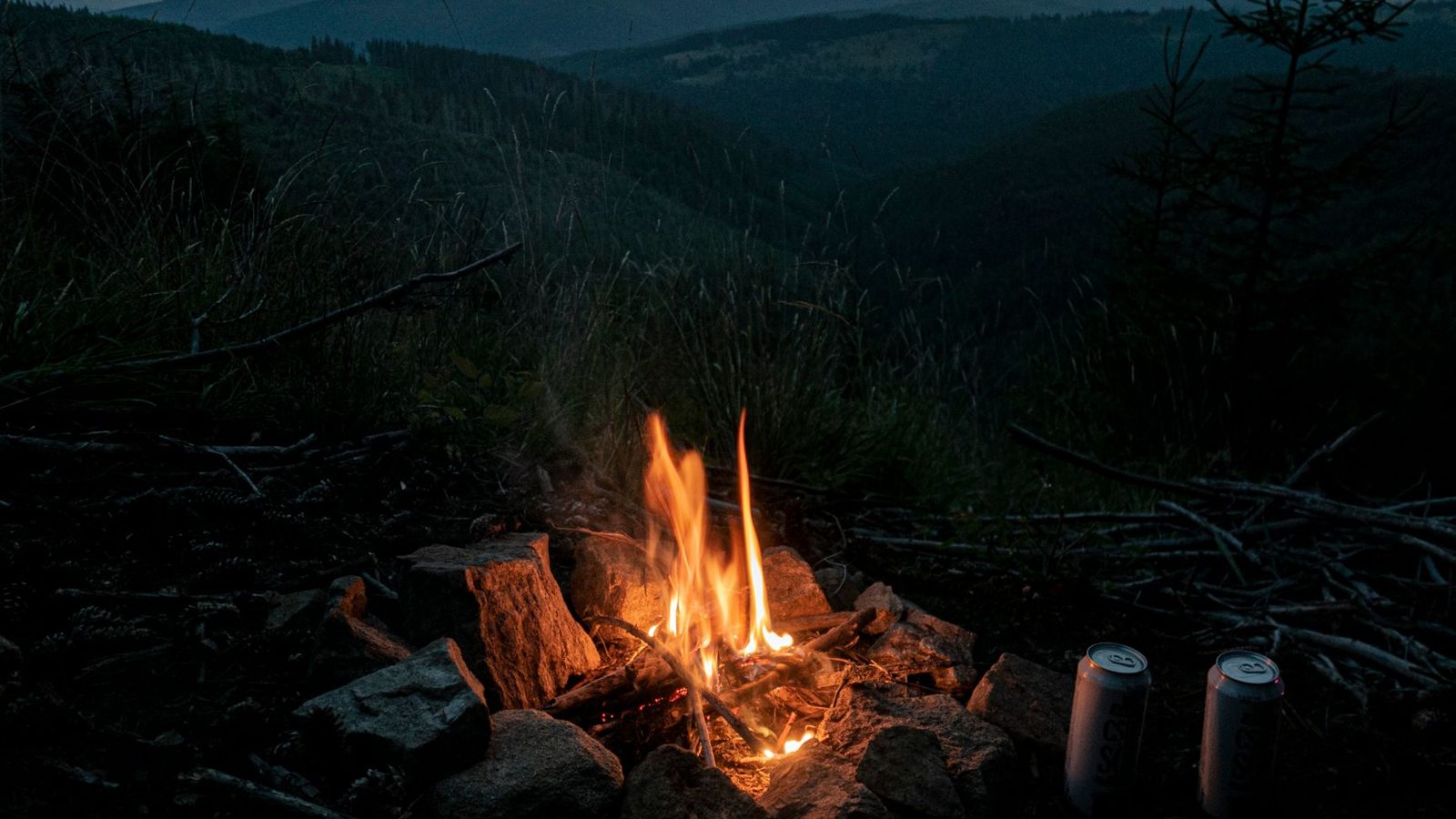 Photo: Hobi
Category 2: Cooking and Food Storage
Eating well outdoors boosts morale. However, kitchen gear can quickly become heavy and expensive. The goal is to keep it simple.
Stove and Fuel
- What to Pack: Single-burner canister stove, fuel canister, lighter, and matches (waterproof).
- Budget Alternative: If fire bans are not in effect, a campfire is the cheapest stove. Use a grill grate over the fire. For stoves, generic brands often work just as well as name brands.
- Weight Tip: Canister stoves are lightweight. Alcohol stoves are even lighter but require more fuel.
Cookware and Utensils
- What to Pack: One pot (1-2 liters), a spork, a mug, and a small knife.
- Budget Alternative: Use a sturdy metal bowl from your kitchen instead of buying a camping mug. A simple butter knife works for spreading peanut butter.
- Weight Tip: Nest your pot inside your sleeping bag stuff sack to save space.
Food and Storage
- What to Pack: Dehydrated meals, oatmeal, pasta, snacks, and a cooler (if car camping).
- Budget Alternative: Buy bulk dry goods (rice, beans, pasta) from a grocery store rather than pre-packaged camping meals. They are significantly cheaper and lighter.
- Weight Tip: Repackage food into ziplock bags to remove bulky cardboard boxes.
Water
- What to Pack: Water bottles or a hydration bladder.
- Budget Alternative: Reusable plastic bottles from home.
- Weight Tip: If the campsite has potable water, bring a large jug to fill up rather than carrying 5 liters from the car.
Category 3: Clothing and Footwear
The golden rule of camping clothing is: No Cotton. Cotton absorbs moisture, stays wet, and chills you down. Wool and synthetics are your friends.
Layers
- What to Pack: Base layer (synthetic/wool), insulating layer (fleece), and outer shell (rain jacket).
- Budget Alternative: Old sweatshirts and thrifted rain jackets work perfectly. You don’t need “technical” gear to stay warm.
- Weight Tip: Wear your bulkiest items (boots, jacket) while traveling to save pack weight.
Footwear
- What to Pack: Hiking boots or sturdy sneakers.
- Budget Alternative: Old running shoes with good tread are often better than expensive boots for casual camping.
- Weight Tip: Bring camp shoes (like Crocs or sandals) so your hiking boots can dry out overnight.
Extras
- What to Pack: Hat, sunglasses, and extra socks.
- Budget Alternative: Any old beanie or baseball cap.
- Weight Tip: Socks are light but essential. Bring one extra pair per day.
Category 4: Safety and Navigation
Safety gear is often overlooked until it is needed. When deciding what to pack for camping, safety should never be the category you cut costs on too heavily.
First Aid
- What to Pack: Band-aids, antiseptic wipes, blister treatment (moleskin), pain relievers, and personal medication.
- Budget Alternative: Build your own kit from a pharmacy rather than buying a pre-made camping kit. You will get more supplies for less money.
- Weight Tip: Keep the kit small and accessible, not buried at the bottom of your bag.
Lighting
- What to Pack: Headlamp or flashlight with extra batteries.
- Budget Alternative: A simple LED flashlight from a dollar store.
- Weight Tip: Headlamps free up your hands. Bring a red-light mode to preserve night vision.
Navigation
- What to Pack: Map of the area and a compass.
- Budget Alternative: Download offline maps on your phone, but always carry a physical map as a backup.
- Weight Tip: A physical map weighs almost nothing but is invaluable if your battery dies.
Fire Safety
- What to Pack: Fire starter (cotton balls soaked in wax or commercial tinder).
- Budget Alternative: Dryer lint in a small container works wonders as tinder.
- Weight Tip: Keep fire starters in a waterproof bag.
Category 5: Hygiene and Sanitation
Maintaining hygiene prevents infections and keeps you comfortable. It also ensures you follow “Leave No Trace” principles.
Toiletries
- What to Pack: Toothbrush, toothpaste, biodegradable soap, hand sanitizer, and toilet paper.
- Budget Alternative: Use travel-sized bottles from your home bathroom.
- Weight Tip: Decant liquids into small contact lens cases or sample bottles.
Waste Management
- What to Pack: Trowel (for digging catholes) and a “WAG bag” (waste bag) if required.
- Budget Alternative: A small kitchen trowel works for digging catholes.
- Weight Tip: Pack out your TP in a ziplock bag to avoid attracting animals.
Laundry
- What to Pack: A small towel and a washcloth.
- Budget Alternative: A microfiber towel dries fast and packs small. Old hand towels work in a pinch.
- Weight Tip: Microfiber towels are significantly lighter than cotton.
Category 6: Extras and Comfort
These items aren’t strictly necessary, but they make the trip enjoyable.
- What to Pack: Camp chair, book, deck of cards, power bank.
- Budget Alternative: Sit on a log or use a cooler as a seat. Borrow books from the library.
- Weight Tip: If you are car camping, comfort items are fine. If backpacking, cut them ruthlessly.
What NOT to Bring: Common Packing Mistakes
Knowing what to pack for camping is half the battle; knowing what to leave behind is the other half. Overpacking is the enemy of enjoyment.
- Heavy Denim Jeans: They are heavy, take forever to dry, and chafe when wet. Wear them on the drive, but pack shorts or hiking pants.
- Too Much Food: Plan for one extra meal, not three. You will likely eat less than you think when you are active.
- Expensive Electronics: Leave the tablet and the DSLR camera at home. A smartphone is enough for photos and music.
- Full-Size Toiletries: You only need a few days’ worth. Decant everything.
- Too Many Clothes: You can re-wear base layers. You only need one set of sleep clothes and one set of day clothes.
Weight and Bulk Management Tips
If you are car camping, weight matters less than organization. If you are backpacking, every ounce counts.
- The “Big Three”: Focus your budget and weight savings on your Tent, Sleeping Bag, and Backpack. These make up the bulk of your weight.
- Multi-Use Items: A trekking pole can double as a tent pole. A bandana can be a towel, a pot holder, or a hat.
- Pack by Zone: Put items you need at night (sleeping bag, headlamp) at the top of the bag. Put heavy items (food, water) close to your back and centered.
- Compression: Use compression sacks for your sleeping bag and clothes to reduce volume.
Printable Camping Checklist Summary
To make this process easier, we have condensed the advice above into a summary table. You can screenshot this, print it, or copy it into a notes app.
| Category | Essential Item | Budget Alternative | Notes |
|---|---|---|---|
| Shelter | Tent + Stakes | Thrifted Tent / Tarp | Check for holes before leaving home. |
| Sleep | Sleeping Bag | Synthetic Fill | Match temp rating to forecast. |
| Sleep | Sleeping Pad | Foam Pad / Blankets | Insulation is key. |
| Cooking | Stove + Fuel | Campfire / Grill | Check fire bans first. |
| Cooking | Pot + Spork | Kitchen Bowl + Fork | Nest gear to save space. |
| Clothing | Rain Jacket | Old Windbreaker | Keep dry. |
| Clothing | Hiking Shoes | Sturdy Sneakers | Break them in before the trip. |
| Safety | First Aid Kit | DIY Pharmacy Kit | Include blister care. |
| Safety | Headlamp | Flashlight | Bring extra batteries. |
| Hygiene | Biodegradable Soap | Travel Size Soap | Wash 200ft from water. |
| Hygiene | TP + Trowel | Ziplock Bag + Kitchen Tool | Pack out trash. |
| Extras | Water Bottles | Reusable Plastic | Refill at camp if possible. |
| Extras | Power Bank | Car Charger | Keep phone charged for emergencies. |
Conclusion: Confidence Comes from Preparation
The anxiety of what to pack for camping often stems from the fear of the unknown. Will it rain? Will I be cold? Will I have enough food? By breaking the process down into categories and focusing on budget-friendly alternatives, you remove the guesswork.
Remember, the goal of camping is to connect with nature, not to test your gear’s price tag. A $20 sleeping bag that keeps you warm is better than a $200 one that stays in the closet. Use this checklist as a starting point. Adapt it to your specific trip, your local weather, and your personal comfort needs.
Pack your gear the night before. Check the table one last time. Then, head out. The mountains, forests, and lakes are waiting for you, and they don’t care how much you spent on your tent. They only care that you showed up. Safe travels, and happy camping!
<script type="application/ld+json">
{
  "@context": "https://schema.org",
  "@type": "Article",
  "headline": "What to Pack for Camping: The Ultimate Checklist You Can Print",
  "datePublished": "2026-06-12",
  "dateModified": "2026-06-12",
  "author": {
    "@type": "Organization",
    "name": "Budget Camping Guide"
  },
  "description": "Overwhelmed by gear? Discover exactly what to pack for camping on a budget. Our ultimate printable checklist covers shelter, sleep, cooking, and safety essentials without breaking the bank.",
  "mainEntityOfPage": {
    "@type": "WebPage",
    "@id": "https://budgetcampingguide.com/what-to-pack-for-camping-checklist"
  },
  "image": {
    "@type": "ImageObject",
    "url": "https://budgetcampingguide.com/images/camping-checklist-header.jpg",
    "width": 1200,
    "height": 675
  },
  "publisher": {
    "@type": "Organization",
    "name": "Budget Camping Guide",
    "logo": {
      "@type": "ImageObject",
      "url": "https://budgetcampingguide.com/logo.png"
    }
  }
}
</script>